
Why High School Ski & Snowboard Leagues Matter: Fostering Community and Competition at China Peak
Picture a group of high school students standing at the top of a snowy run at China Peak, nervously adjusting their goggles and checking their bindings. Some are seasoned skiers, others are relative newcomers still getting comfortable on the mountain. But when the starting gate opens, they all share the same rush of adrenaline, the same determination to give their best effort, and the same support from teammates cheering them on from the sidelines.
This is the magic of high school ski and snowboard leagues, where winter sports become more than just recreation. They become a catalyst for personal growth, community building, and skill development that extends far beyond the slopes.
What Are High School Ski & Snowboard Leagues?
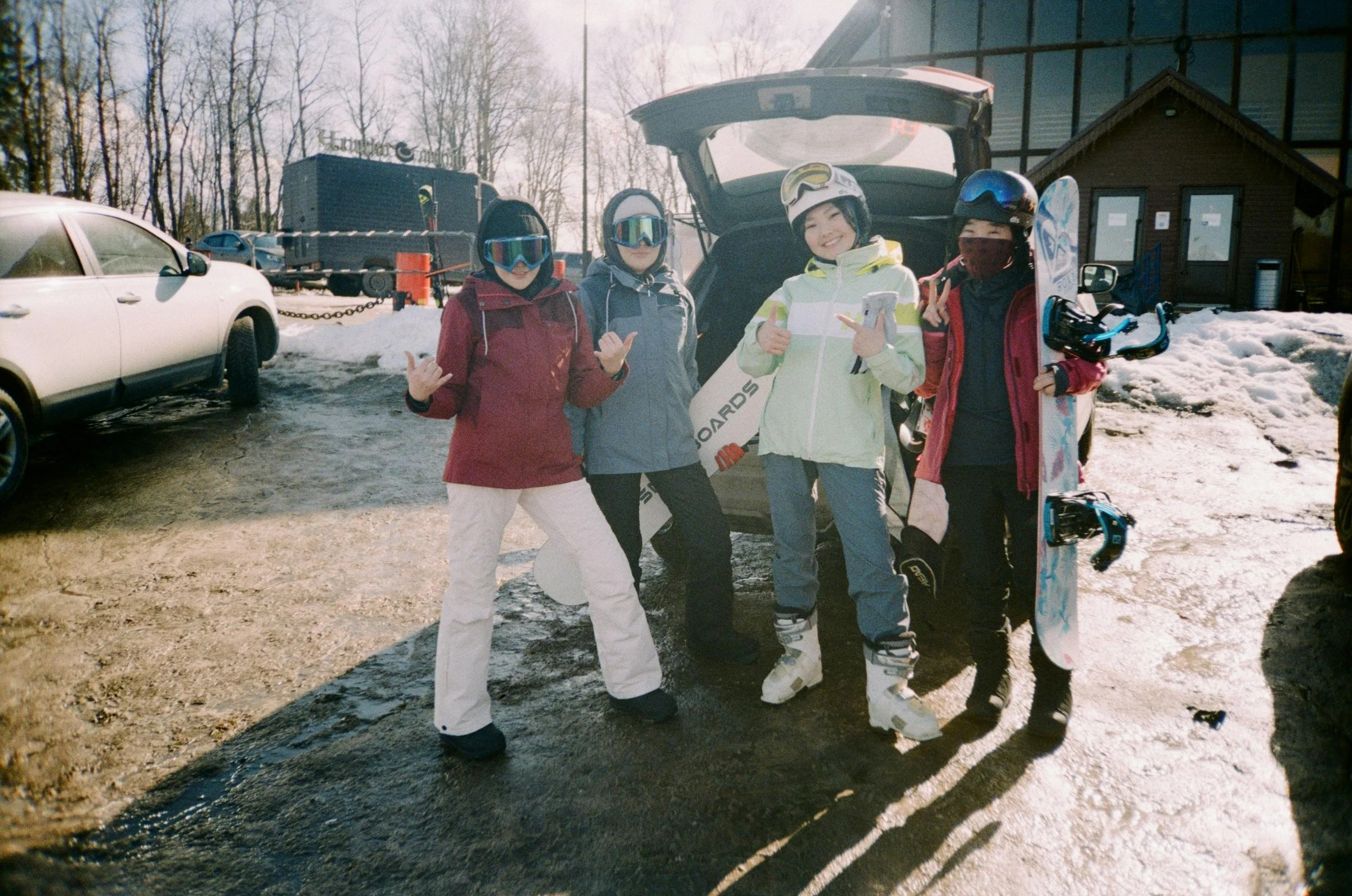
High school ski and snowboard leagues bring together students from multiple schools to compete in organized winter sports throughout the season. Unlike expensive club teams or elite training programs, these leagues are designed to be accessible to students of varying skill levels. Whether you've been skiing since you could walk or you're just learning to link turns, there's a place for you on the team.
The format typically involves weekly or bi-weekly races held at a designated mountain, with teams accumulating points throughout the season. Events might include slalom, giant slalom, or other racing disciplines for skiers, while snowboarders compete in similar technical events suited to their sport. Beyond race days, teams practice together, travel to competitions as a group, and support each other through victories and setbacks.
What makes these leagues special is their emphasis on participation and growth rather than exclusivity. You don't need to be a future Olympian to join. The goal is to get more students on the mountain, building skills, confidence, and connections with peers who share a love of winter sports. For many Central Valley students, programs at venues like China Peak provide their first real opportunity to engage seriously with skiing or snowboarding, opening doors that might otherwise remain closed.
Building Community Through Winter Sports
One of the most profound impacts of high school ski and snowboard leagues is the sense of community they create. These aren't just athletic teams; they're tight-knit groups bound together by shared challenges, triumphs, and the unique experience of spending winter weekends on the mountain.
Creating Cross-School Connections
Students connect with peers from other schools who share their passion for winter sports, building friendships that transcend typical high school social boundaries.
Bonding Through Shared Experiences
The long bus rides to the mountain, the nervous energy before races, the celebration after a great run, and even the commiseration after a tough day all create lasting memories that strengthen team bonds.
Supporting Each Other On and Off the Mountain
Teammates learn to cheer for each other's successes and provide encouragement during struggles, developing empathy and teamwork skills that extend beyond athletics.
Building School Spirit and Pride
Representing your school on the slopes creates a sense of pride and belonging, giving students another avenue to connect with their school community.
Fostering Mentorship Between Experienced and New Riders
Veteran team members naturally take newer skiers and snowboarders under their wing, teaching techniques, sharing tips, and helping them navigate both the sport and the social aspects of the team.
Creating Lifelong Friendships
The intensity of competition combined with the joy of the sport creates bonds that often last well beyond high school, with former teammates staying connected through their shared love of the mountain.
This community-building aspect transforms what could be an individual sport into a collective experience where everyone's success contributes to the team's overall achievement.
The Benefits of Healthy Competition
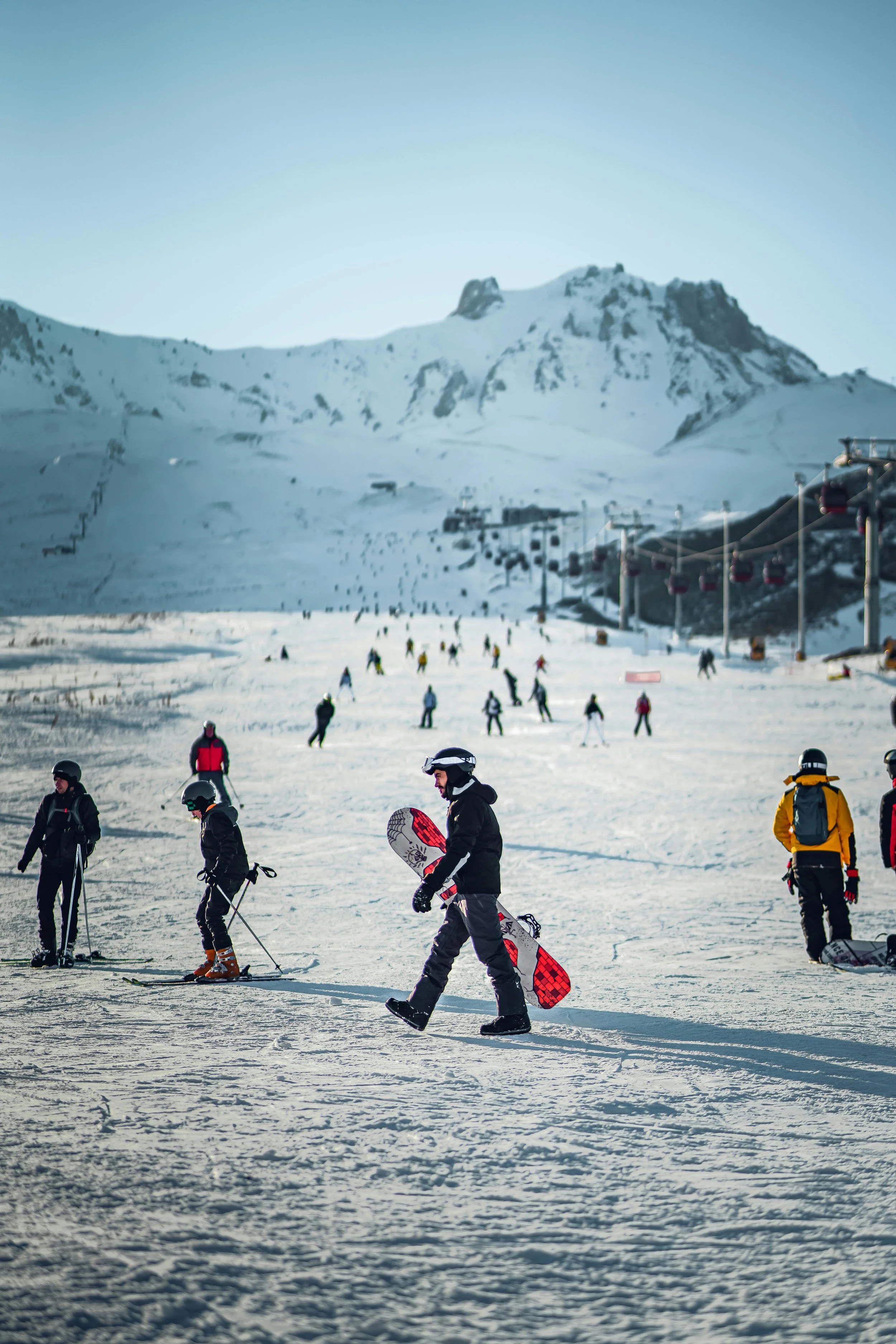
Competition gets a bad rap sometimes, but when structured properly, it's an incredibly valuable tool for personal development. High school ski and snowboard leagues provide the perfect environment for students to experience healthy competition that pushes them to improve while teaching essential life lessons.
Racing down a mountain against the clock teaches students to handle pressure in real-time. There's no pausing, no do-overs in the moment, just you, the course, and your ability to execute under pressure. This experience builds mental toughness that translates to academic tests, job interviews, and countless other high-stakes situations students will face throughout their lives.
Goal-setting becomes tangible when you can measure improvement in race times and technical performance. Students learn to set realistic objectives, work systematically toward them, and adjust their approach based on results. Maybe the goal is shaving two seconds off your slalom time or finally landing a technique you've been practicing. Whatever the target, the process of pursuing it teaches persistence and strategic thinking.
Competition also teaches grace in both victory and defeat. You'll have days when everything clicks, and you post your best time ever. You'll also have days when you catch an edge, miss a gate, or simply don't perform as well as you'd hoped. Learning to celebrate wins humbly and bounce back from setbacks with determination is one of the most valuable lessons sports can teach. In ski and snowboard leagues, students see their peers navigating these same ups and downs, normalizing the experience and building resilience through shared struggle.
The competitive environment also provides immediate, measurable feedback. Unlike many aspects of life where progress can feel abstract, racing gives you concrete data about your performance. This clarity helps students understand the connection between effort, practice, and results, reinforcing the value of dedication and hard work.
Life Skills Developed Through Leagues
High school ski and snowboard leagues function as training grounds for life skills that extend far beyond athletic performance. The commitment required to participate in a winter sports team teaches lessons that shape character and prepare students for future challenges.
1. Time Management and Commitment
Balancing practices, races, schoolwork, and other responsibilities requires students to develop strong organizational skills and learn to prioritize effectively.
2. Teamwork and Collaboration
Even though skiing and snowboarding can be individual sports, league participation emphasizes working together toward common goals and supporting group success.
3. Leadership Opportunities
Team captains, peer mentors, and experienced members naturally take on leadership roles, learning to guide and motivate others while representing the team's values.
4. Perseverance and Dedication
Waking up early for practice, pushing through challenging conditions, and maintaining commitment throughout the season teaches the value of persistence.
5. Self-Discipline
Following training regimens, maintaining equipment, and preparing for competitions requires personal responsibility and discipline that carries over into academic and professional settings.
6. Communication Skills
Articulating goals, giving and receiving feedback, and coordinating with coaches and teammates develops communication abilities essential for future success.
These skills don't develop in isolation. They're practiced and refined through the daily experience of being part of a team, competing regularly, and working toward both individual and collective improvement. By the end of a season, students have accumulated practical experience in leadership, collaboration, and self-management that will serve them throughout their lives.
Accessibility and Inclusivity in Winter Sports
One of the most important aspects of high school ski and snowboard leagues is their potential to make winter sports accessible to students who might never otherwise have the opportunity to participate. Traditionally, skiing and snowboarding have been perceived as expensive, exclusive activities. League programs work to break down these barriers.
Many leagues partner with mountains to offer reduced lift ticket rates for team members. Equipment rental programs or team gear pools help students who can't afford to purchase their own equipment. Transportation is often provided through school or team-organized buses, eliminating the need for families to make multiple trips to the mountain. These practical supports remove significant financial obstacles that prevent many students from experiencing winter sports.
The inclusive nature of most high school leagues also means students don't need prior experience or elite skill levels to participate. Beginners train alongside more experienced riders, with coaching and peer support helping everyone improve at their own pace. This approach creates diverse teams where students from different backgrounds, skill levels, and experience levels work together, learning from each other and building understanding across differences.
For students from Central Valley communities where snow sports aren't part of the local culture, these programs provide crucial exposure to activities they might never encounter otherwise. A student from Fresno who's never seen snow except from a distance suddenly has the chance to learn to ski or snowboard, discovering a passion that could shape their future. This democratization of winter sports creates opportunities for career paths in outdoor education, resort management, ski instruction, and countless other fields that students might never have considered.
Creating welcoming, inclusive team cultures also matters. When programs actively work to make all students feel valued and supported regardless of their background or ability level, they build stronger teams and help more young people develop lifelong connections to winter sports and mountain environments.
The China Peak Experience
China Peak Mountain Resort, located in the Sierra National Forest between Fresno and Huntington Lake, provides an ideal venue for Central Valley high school ski and snowboard programs. Its proximity makes it accessible for regular team practices and competitions without requiring overnight trips, a practical advantage that helps keep participation costs down and makes involvement more feasible for students and families.
The mountain offers varied terrain suitable for both beginners developing basic skills and advanced racers looking to challenge themselves. With over 1,200 acres of skiable terrain and a 1,700-foot vertical drop, China Peak provides race courses that test technical ability while remaining approachable for developing athletes. The resort's commitment to supporting youth programs creates a welcoming environment where student athletes feel valued and encouraged.
For many Central Valley students, China Peak represents their gateway to mountain recreation. Located less than two hours from Fresno, it's close enough for regular access but far enough to provide that sense of adventure and escape that makes mountain time special. The partnerships between schools, outdoor education programs, and the resort itself create a supportive ecosystem that prioritizes student development and accessibility.
Students participating in programs at China Peak don't just learn to ski or snowboard better. They develop relationships with the mountain itself, becoming familiar with different runs, learning to read snow conditions, and building confidence navigating varied terrain. This familiarity transforms China Peak from just a place to race into a second home where students feel comfortable, capable, and connected to the mountain environment.
The success stories emerging from China Peak programs demonstrate the transformative potential of accessible winter sports leagues. Students who started as nervous beginners finish seasons as confident athletes. Quiet kids discover leadership abilities. Teens struggling with direction find passion and purpose. These individual transformations collectively strengthen schools, communities, and the broader winter sports culture in the Central Valley.
Conclusion
High school ski and snowboard leagues represent far more than athletic programs. They're vehicles for community building, personal development, and the cultivation of lifelong passions. At China Peak and mountains across the country, students are discovering that winter sports offer opportunities to challenge themselves physically and mentally, connect with peers who share their interests, and develop skills that will serve them well beyond the slopes.
If you're a student considering joining a ski or snowboard league, take the leap. If you're a parent wondering whether it's worth the commitment, it is. If you're an educator or administrator thinking about supporting these programs, your investment will pay dividends in student growth and community strength. Winter sports leagues matter because they help young people discover who they are, what they're capable of, and where they belong. And sometimes, the answers to those questions are found halfway down a snowy mountain, carving through gates with teammates cheering you on.
At Adventure Education Solutions, we introduce students to outdoor environments and present them with experiences that challenge them physically, socially, and mentally. Contact us to learn more about our after school programs, camps, and study abroad programs.
