
The Environmental and Economic Benefits of Sno-Parks in California
When most people think about winter recreation in California, their minds often jump straight to big ski resorts with their towering lodges, high-speed lifts, and premium price tags. But there's another option that's been quietly serving winter enthusiasts for decades: Sno-Parks. These designated snow play areas scattered throughout California's mountain regions offer something refreshingly different. They're affordable, accessible, and surprisingly beneficial for both the environment and local economies. Let's explore why Sno-Parks deserve more attention as a smart choice for winter adventure.
What Exactly Are Sno-Parks?
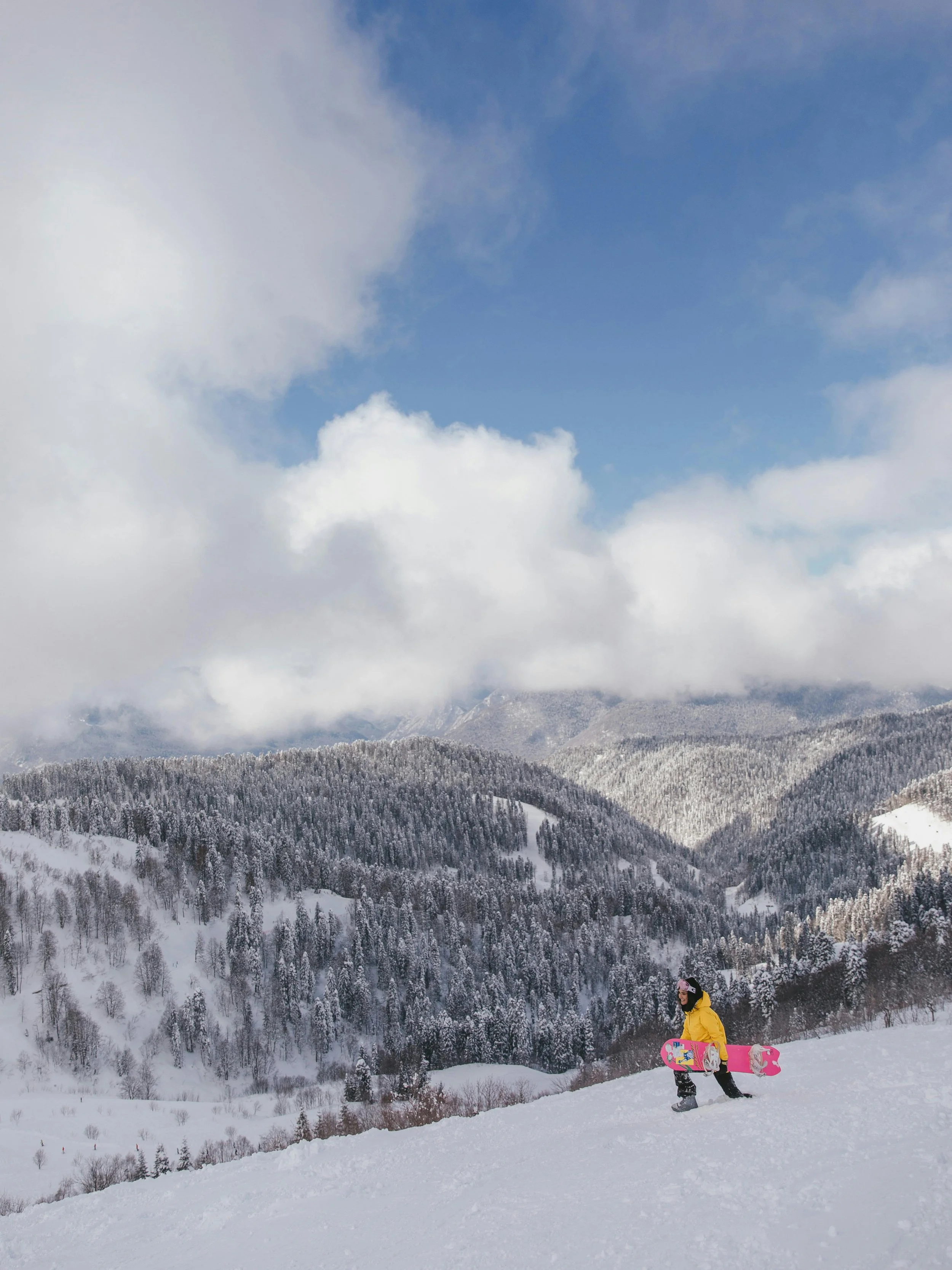
Think of Sno-Parks as winter's answer to your favorite local park, but with snow. These are designated areas maintained by California State Parks where families and outdoor enthusiasts can enjoy snow activities without the crowds, costs, or infrastructure of traditional ski resorts. With a simple day-use permit (usually around $5 to $10), you get access to groomed areas perfect for sledding, snowshoeing, cross-country skiing, and good old-fashioned snow play.
Unlike developed ski resorts that require massive infrastructure like chairlifts, snowmaking equipment, lodges, and parking structures, Sno-Parks keep things beautifully simple. You'll find plowed parking areas, restroom facilities, and marked trails, but that's about it. This minimalist approach isn't a limitation, though. It's actually one of their greatest strengths, both environmentally and economically.
Environmental Benefits: Winter Recreation Done Right
Sno-Parks represent a thoughtful approach to winter recreation that prioritizes environmental protection alongside outdoor access. Here's how they make a positive difference for California's mountain ecosystems:
Minimal Environmental Footprint
While major ski resorts require clearing large swaths of forest for runs, installing energy-intensive snowmaking systems, and maintaining year-round facilities, Sno-Parks work with the landscape rather than transforming it.
Protected Wildlife Habitats
This low-impact model means wildlife habitats stay relatively undisturbed during the critical winter months when animals are already stressed by cold temperatures and limited food sources.
Preserved Winter Ecosystems
The winter ecosystems remain largely intact, with minimal disruption to the natural environment and vegetation beneath the snow staying protected.
Environmental Education Opportunities
Because these areas maintain their natural character, visitors can observe winter ecology in action, spotting animal tracks, noticing how different tree species adapt, or observing how snow insulates the ground.
Conservation Funding Through Permits
Revenue generated from Sno-Park permits goes directly back into maintaining these areas and supporting broader state park conservation programs, making every visit an investment in preservation.
Encouraging Responsible Recreation
Because these areas aren't heavily commercialized, visitors tend to develop a deeper appreciation for Leave No Trace principles and carry these habits into other outdoor activities.
These environmental advantages make Sno-Parks a model for sustainable outdoor recreation that other regions could learn from.
Economic Benefits: More Bang for Your Buck
Let's talk money, because that matters to most families planning winter outings. A day at a major California ski resort can easily cost a family of four several hundred dollars once you factor in lift tickets, equipment rentals, parking, and food. Compare that to Sno-Parks, where the same family might spend $10 for parking, maybe $20-30 to rent a few sleds if needed, and whatever they choose to pack for lunch. The savings are substantial.
This affordability doesn't just benefit individual families. It democratizes winter recreation, making snow play accessible to communities who might otherwise be priced out of winter sports entirely. Kids from all economic backgrounds get the chance to experience the magic of playing in snow, building snowmen, and maybe discovering a lifelong love of winter activities. That kind of inclusive access strengthens communities and creates shared experiences across different socioeconomic groups.
For rural mountain communities, Sno-Parks provide steady economic support without requiring massive capital investment. Local businesses benefit from the steady stream of visitors who stop for gas, grab supplies at the grocery store, or eat at local restaurants. Unlike ski resorts that often function as self-contained destinations with their own lodging and dining facilities, Sno-Park visitors tend to spread their spending throughout the surrounding community.
The seasonal nature of Sno-Park employment also provides valuable jobs during winter months when other outdoor recreation opportunities might be limited. Maintenance workers keep parking areas plowed, staff manage permit sales, and local contractors provide services ranging from restroom maintenance to trail grooming. While these might not be year-round positions, they provide important income during slower economic periods for mountain communities.
Perhaps most significantly, Sno-Parks demonstrate that profitable winter recreation doesn't require destroying mountain landscapes or pricing out average families. They prove that sustainable, affordable outdoor recreation can coexist with economic viability. That's a powerful model in an era when we're constantly trying to balance economic development with environmental protection.
Community Impact and Social Benefits
Beyond the environmental and economic advantages, Sno-Parks create something harder to quantify but equally valuable: accessible outdoor experiences that build stronger communities. When outdoor adventures don't require significant financial resources, more families can participate. This inclusivity strengthens the social fabric of communities and helps create shared memories across different backgrounds.
For schools and youth programs with tight budgets, Sno-Parks offer realistic field trip opportunities. A class can spend a day learning about winter ecology, practicing teamwork during snow games, and experiencing nature in a way that would be financially impossible at a traditional ski resort. These experiences can spark lifelong interests in outdoor education and environmental stewardship.
The informal, unstructured nature of Sno-Parks also encourages creativity and independent play. Without organized activities or commercial entertainment options, families and kids make their own fun. They build snow forts, create sledding runs, explore trails, and engage with nature directly. This kind of self-directed outdoor play supports healthy child development and fosters problem-solving skills in ways that structured activities often can't.
From a health perspective, Sno-Parks make winter physical activity accessible to everyone. Sledding provides a surprising cardio workout as you haul that sled back up the hill repeatedly. Snowshoeing offers excellent low-impact exercise. Even just playing in the snow burns calories while building strength and coordination. When fitness opportunities are affordable and enjoyable, people are more likely to stay active throughout the winter months.
Getting Started with Sno-Parks
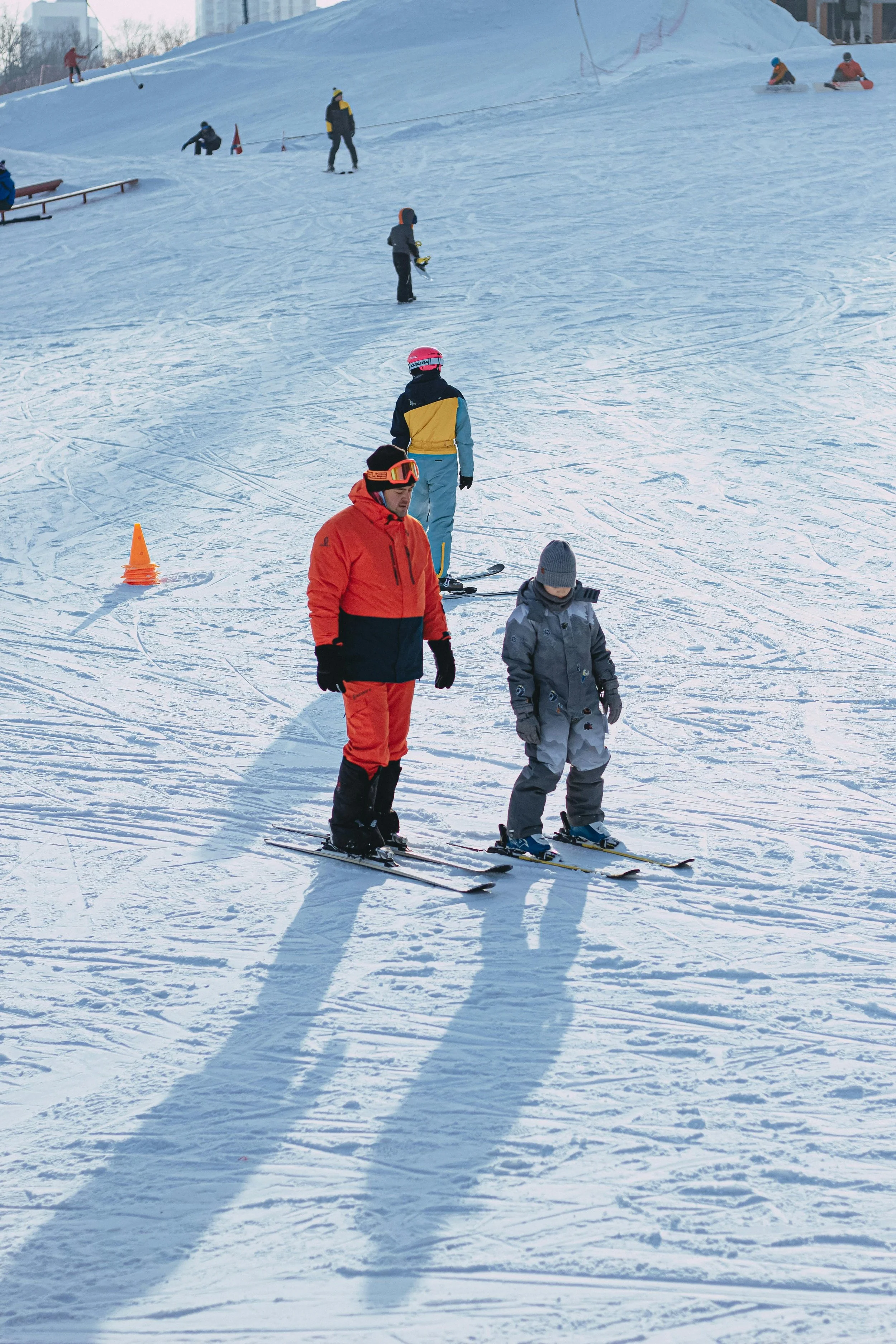
If this sounds appealing and you're ready to explore California's Sno-Parks yourself, here's everything you need to know to plan your first visit:
1. Purchase Your Permit
Most Sno-Parks require a day-use permit, which you can purchase online through the California State Parks website or at many local vendors near Sno-Park locations.
2. Dress Appropriately
Come prepared with appropriate winter clothing, plenty of layers, and waterproof outer gear to stay warm and dry throughout your visit.
3. Bring or Rent Equipment
Pack sleds, snowshoes, or cross-country skis if you have them, though many areas have nearby rental options if you need to borrow gear.
4. Pack Essential Supplies
Bring snacks, water, and a first aid kit, and don't forget sunscreen since winter sun reflected off snow can cause serious burns.
5. Check Conditions and Plan Ahead
Always check weather and road conditions before heading out, let someone know your plans and expected return time, and stay aware of changing conditions.
6. Practice Responsible Recreation
Pack out all trash, stay on designated trails, respect wildlife, and leave the area better than you found it to protect these spaces for future visitors.
Following these steps ensures everyone has fun while staying safe and respecting the natural environment that makes Sno-Parks special.
Looking Forward: A Model for Sustainable Recreation
As California and the broader world grapple with how to balance outdoor recreation with environmental protection and social equity, Sno-Parks offer a compelling model. They demonstrate that we don't always need massive development projects or premium pricing to provide quality outdoor experiences. Sometimes the best approach is the simplest one: preserve natural spaces, keep access affordable, and let people connect with nature on their own terms.
The dual benefits of environmental conservation and economic accessibility make Sno-Parks particularly valuable in our current moment. Climate change makes sustainable recreation models more important than ever. Economic inequality means affordable outdoor access matters more, not less. Sno-Parks address both challenges simultaneously without requiring us to sacrifice one benefit for the other.
For families looking to build emotional connections with nature, introduce kids to winter adventures, or simply enjoy affordable outdoor fun, California's Sno-Parks deserve serious consideration. They represent winter recreation at its most accessible and sustainable, proving that protecting the environment and opening doors to outdoor experiences can go hand in hand.
Conclusion
California's Sno-Parks quietly do something remarkable: they make winter recreation accessible to everyone while protecting the mountain environments we all cherish. The environmental benefits of low-impact recreation, preserved ecosystems, and conservation funding combine with economic advantages like affordability, community support, and inclusive access to create a winter recreation model that actually works for both people and planet.
Next time you're planning a winter outing, consider exploring a Sno-Park instead of heading straight for the big resorts. You might discover that some of the best winter memories don't require fancy facilities or expensive lift tickets. Sometimes all you need is some snow, a sled, and the simple joy of connecting with nature. Your wallet and the environment will both thank you.
At Adventure Education Solutions, we introduce students to outdoor environments and present them with experiences that challenge them physically, socially, and mentally. Contact us to learn more about our after school programs, camps, and study abroad programs.
