
How Sno-Parks Make Snow Play Possible for Central Valley Families
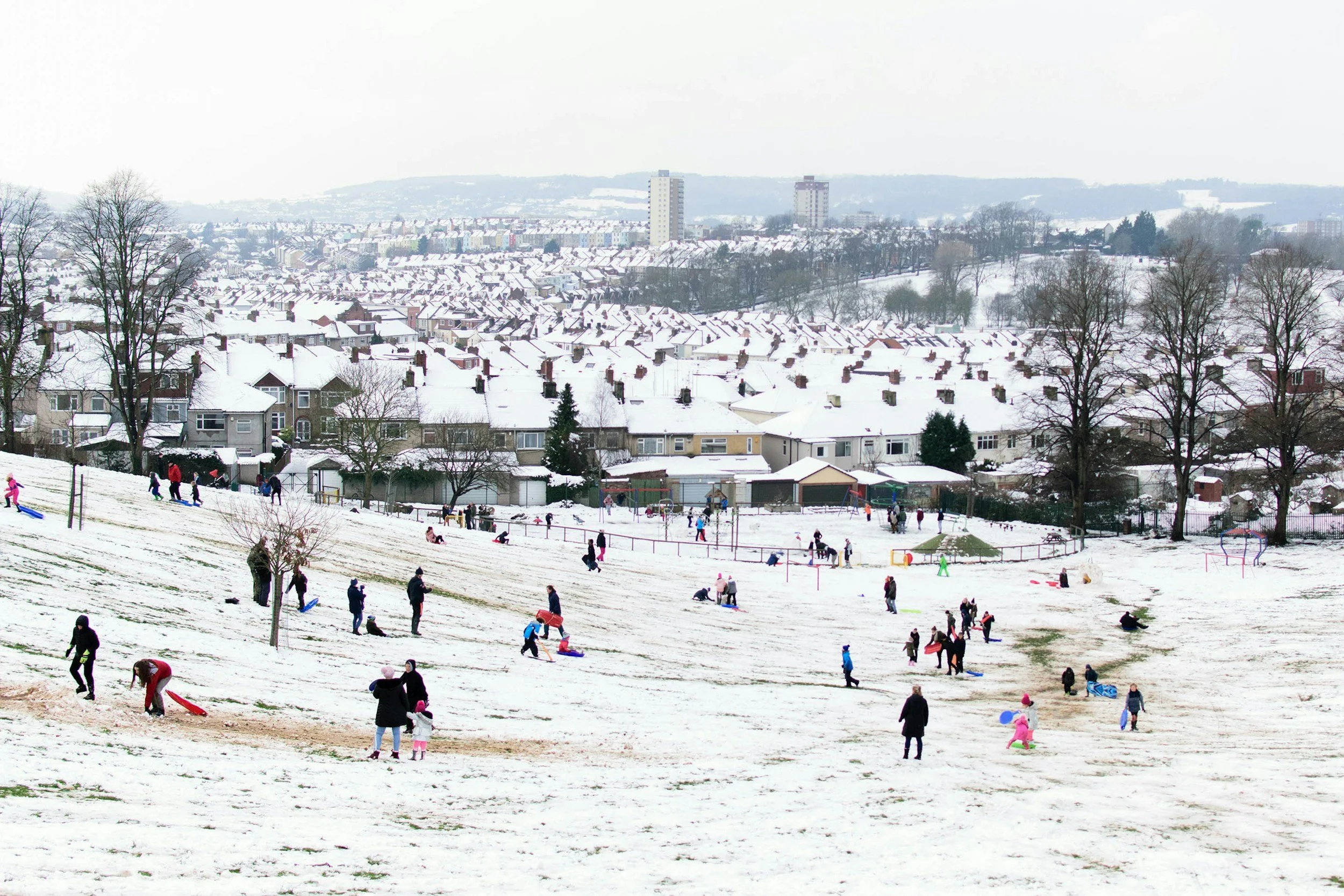
For families living in California's Central Valley, snow-covered mountains might feel tantalizingly close yet frustratingly out of reach. Traditional ski resorts come with hefty price tags, and the logistics of getting everyone equipped and ready can feel overwhelming. But there's a winter recreation option that changes the game entirely: Sno-Parks. These California gems offer families an affordable, accessible way to play in the snow without the stress, expense, or expertise required at traditional ski areas.
What Exactly Are Sno-Parks?
Sno-Parks are designated winter recreation areas maintained by the California Department of Parks and Recreation. Unlike ski resorts with chairlifts, lessons, and rental shops, Sno-Parks are simple, accessible snow play areas where families can enjoy winter activities at their own pace. Think of them as winter playgrounds where the only requirement is a sense of adventure and a daily parking permit.
These areas are typically located along Highway 168 and other mountain routes, making them surprisingly convenient for Central Valley families. You won't find fancy lodges or expensive lift tickets here. Instead, you'll discover open spaces perfect for sledding, snowshoeing, building snowmen, and simply experiencing the magic of a winter landscape. The beauty of Sno-Parks lies in their simplicity, they strip away the commercial aspects of winter sports and return to the pure joy of playing in snow.
The Cost Advantage That Changes Everything
Let's talk numbers. A day at a major ski resort can easily cost a family of four several hundred dollars once you factor in lift tickets, equipment rentals, lessons, parking, and food. For many Central Valley families, that's simply not realistic, especially for multiple visits throughout the winter season.
Sno-Parks flip this equation entirely. A daily parking permit typically costs around $5 per vehicle, and a season pass runs about $25. That's it. No lift tickets, no mandatory lessons, no pressure to rent expensive equipment. Your family can visit as many times as you want throughout the winter, experimenting with different activities and building winter adventure skills at your own pace.
This affordability means winter recreation stops being a once-a-year splurge and becomes something families can actually incorporate into their regular routines. Kids can watch the snow change throughout the season, try new activities without financial pressure, and develop a genuine connection with winter environments.
Close to Home, Easy to Reach
Geography matters when you're trying to make outdoor adventures happen with kids. Central Valley families have a unique advantage: many Sno-Parks sit just an hour or two away, making them perfect for day trips that don't require elaborate planning or overnight stays.
The Fresno area, for instance, has several Sno-Parks within easy reach along Highway 168. Families can leave home after breakfast, spend several hours playing in the snow, and be back for dinner. This proximity transforms winter recreation from a major expedition into a spontaneous Saturday activity. Forgot to pack something? You're close enough to adjust. Weather changes? You can head home without feeling like you wasted a huge investment.
This accessibility particularly benefits families who might feel intimidated by the complexity of ski resort visits. There's no pressure to maximize your expensive lift ticket or stick it out in uncomfortable conditions. Sno-Parks let you test the waters of winter recreation without the commitment, perfect for introducing young children to snow play or gauging your family's interest before investing in more specialized winter activities.
Activities That Welcome Everyone
One of the most appealing aspects of Sno-Parks is the variety of activities available without specialized skills or expensive equipment. Here are some favorite ways families enjoy their Sno-Park visits:
Sledding
Traditional sledding remains the classic favorite, and all you need is a sled or even a large plastic disc.
Snowshoeing
Snowshoeing offers a wonderful way for families to explore winter landscapes together through outdoor exploration without requiring lessons or particular athletic ability.
Building Snow Structures
Creating elaborate snow forts, rolling massive snowballs, or perfecting snowmen details becomes an art form when you have all day without time pressure.
Cross-Country Skiing
For families interested in winter sports, Sno-Parks offer ideal terrain for learning basic skills in a relaxed environment where beginners can practice without intimidation.
These activities engage kids of all interests and abilities while giving everyone the experience of playing in snow, making Sno-Parks truly welcoming spaces for the whole family.
Preparing for Your Sno-Park Adventure
Success at Sno-Parks starts with proper preparation, but the essentials are straightforward. Follow these steps to ensure everyone stays comfortable and has fun:
1. Layer Your Clothing
Start with moisture-wicking base layers, add insulating middle layers, and top with waterproof outer shells to keep everyone warm without overheating during active play.
2. Bring Essential Gear
Pack gloves, hats, warm boots, and extras of mittens and socks to save the day when little hands and feet get wet.
3. Pack Food and Drinks
Bring high-energy snacks, plenty of water, and a thermos of hot chocolate for warm breaks between sledding runs.
4. Don't Forget Sun Protection
Winter sun reflecting off snow can cause serious burns and eye strain, so sunscreen and sunglasses are essential.
5. Plan for Safety
Stay aware of changing weather conditions, keep an eye on younger children near trees or steep areas, and understand basic winter safety principles.
Approach your first visit with flexibility and realistic expectations, letting your family's energy and interest guide the day rather than trying to maximize time because you "should."
The Bigger Picture: Building Winter Confidence
The value of Sno-Park experiences extends far beyond individual fun days in the snow. For many Central Valley kids, Sno-Parks provide their first meaningful exposure to winter environments and cold-weather recreation. These initial experiences shape their comfort level with winter activities and their willingness to try more challenging adventures as they grow.
Regular Sno-Park visits help families develop practical winter skills without realizing they're learning. Kids figure out how to stay warm, how to move safely on snow and ice, and how to have fun in conditions that might initially seem uncomfortable. Parents gain confidence in their ability to manage winter outings, learning what gear works, how to recognize when someone's getting too cold, and how to turn potential disasters into funny family stories.
This foundation often opens doors to broader outdoor education opportunities. Families who start with simple Sno-Park visits might eventually explore snowshoeing adventures, winter camping, or even ski and snowboard programs. The low-stakes nature of Sno-Parks removes barriers that keep many families from ever starting their winter recreation journey.
The confidence gained at Sno-Parks also transfers to other seasons and activities. Kids who learn they can handle cold, wet, and physically challenging situations in winter often approach summer outdoor adventures with greater resilience and enthusiasm. The problem-solving skills developed while building snow forts or learning to stay warm translate directly to other outdoor challenges.
Creating Family Memories Without the Price Tag
Perhaps the most valuable aspect of Sno-Parks is the way they democratize winter recreation. Snow play shouldn't be a luxury available only to families with significant disposable income. Sno-Parks ensure that financial circumstances don't determine whether kids get to experience the joy of sledding down a hill, the satisfaction of building a snow fort, or the wonder of a quiet winter forest.
These accessible experiences create memories that last far beyond childhood. Many adults who grew up visiting Sno-Parks describe those simple snow days as highlights of their youth, remembering not elaborate ski lessons or fancy resort amenities but the pure fun of playing in the snow with their families. The lack of commercialization actually enhances these memories, focusing attention on the experience itself rather than the products or services surrounding it.
For Central Valley families specifically, Sno-Parks offer something even more valuable: proof that winter adventures are within reach. You don't need to travel to Lake Tahoe or invest in expensive season passes to give your kids meaningful winter experiences. The mountains are close, the costs are minimal, and the opportunities for outdoor learning and family bonding are unlimited.
Conclusion
If your family hasn't explored Sno-Parks yet, this winter is the perfect time to start. Check the California Department of Parks and Recreation website for current conditions and permit information, gather your warmest clothes, and head to the mountains. The beauty of Sno-Parks lies in their invitation to return, making winter recreation spontaneous, frequent, and genuinely achievable for Central Valley families seeking affordable outdoor adventures.
At Adventure Education Solutions, we introduce students to outdoor environments and present them with experiences that challenge them physically, socially, and mentally. Contact us to learn more about our after school programs, camps, and study abroad programs.
