
Therapeutic Benefits of Nature Engagement
There is something about stepping outside, feeling the sun on your face, and hearing the rustle of leaves that just makes everything feel a little more manageable. It is not just your imagination. A growing body of research shows that spending time in nature has real, measurable benefits for mental health. From reducing stress and anxiety to boosting mood and building emotional resilience, the outdoors offers a kind of healing that is hard to replicate anywhere else.
For young learners especially, nature is not just a nice backdrop for a field trip. It can be a powerful tool for emotional growth, self-regulation, and overall well-being. Whether through structured outdoor education programs or simple moments of exploration, engaging with the natural world helps people of all ages feel calmer, more connected, and better equipped to handle life's challenges.
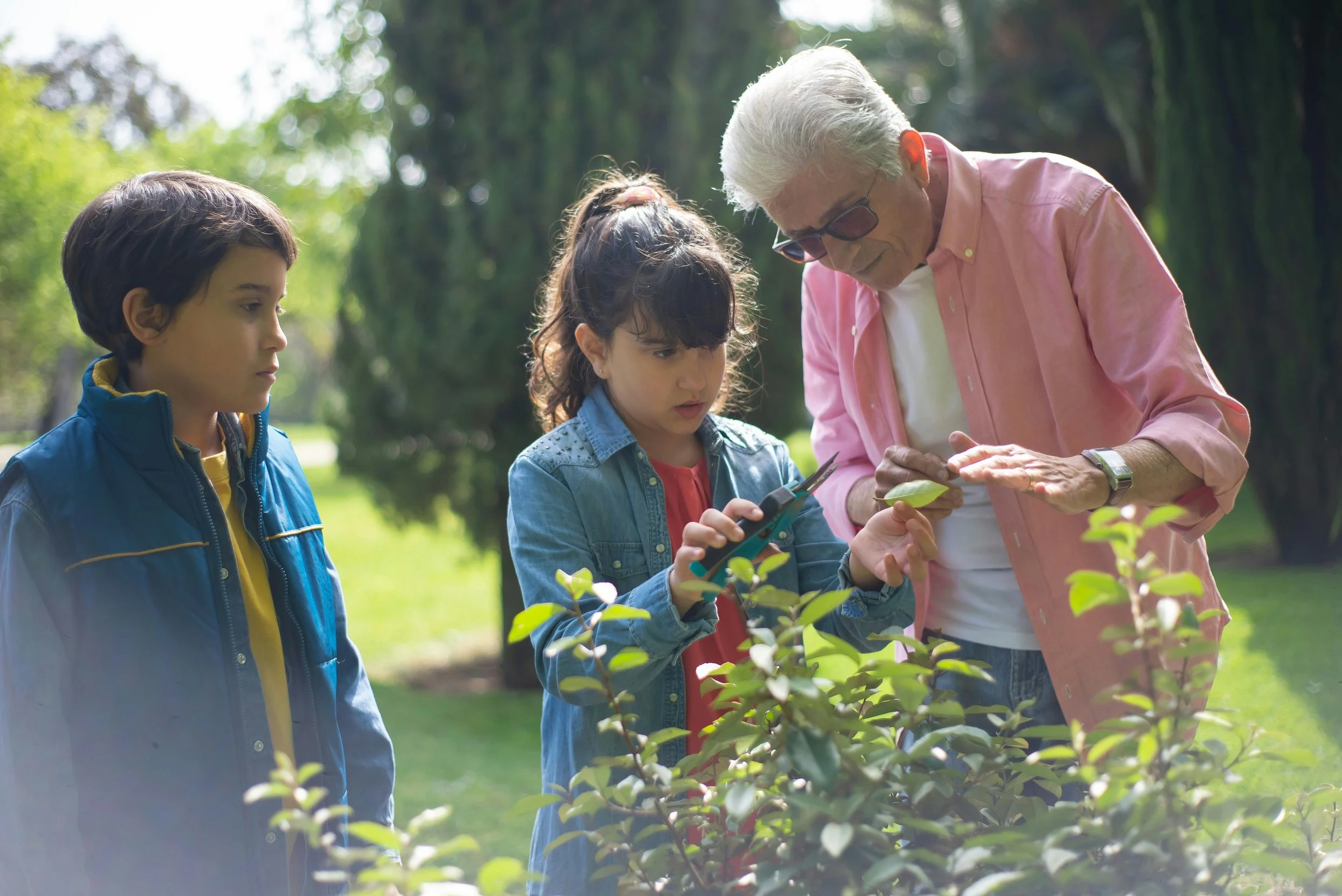
The Science Behind Nature's Healing Power
You do not need to be a scientist to notice that a walk in the park makes you feel better, but research helps explain exactly why. Studies have consistently shown that time spent in natural environments lowers cortisol levels (the body's primary stress hormone), reduces heart rate, and decreases symptoms of anxiety and depression. Even brief exposure to green spaces can shift the nervous system from a stressed "fight or flight" state into a more relaxed and restorative mode.
One well-known concept in environmental psychology is "attention restoration theory," which suggests that natural environments allow the brain to recover from the mental fatigue caused by constant focus and stimulation. Think about how draining it can be to stare at a screen or sit in a busy classroom for hours. Nature provides a different kind of engagement, one that feels effortless and refreshing. The sights, sounds, and textures of the outdoors gently capture our attention without demanding it, giving the brain a chance to recharge.
For children and teenagers, these benefits are especially significant. Young people today face unprecedented levels of screen time and digital overstimulation, which can contribute to attention difficulties, sleep problems, and heightened stress. Nature offers a powerful counterbalance, creating space for the kind of mental rest and emotional processing that healthy development requires.
How Outdoor Learning Supports Emotional Well-Being
Outdoor education does more than teach science or survival skills. It creates an environment where emotional growth can happen naturally, often without students even realizing it. When young people step into an outdoor learning setting, they encounter challenges, beauty, and unpredictability in ways that a traditional classroom simply cannot replicate. These experiences become opportunities to develop emotional awareness, practice coping strategies, and build confidence.
One of the reasons outdoor learning is so effective for emotional well-being is that it engages the whole person. Physical activity releases endorphins. Collaborative challenges build trust and social connection. Quiet moments in nature encourage reflection and mindfulness. Together, these elements create a holistic experience that supports mental health on multiple levels.
There is also something deeply grounding about working with natural materials, navigating real terrain, and facing genuine (but manageable) risks. For students who struggle with anxiety or low self-esteem, successfully completing an outdoor challenge, whether it is climbing a rock wall, building a shelter, or navigating a trail, can be a turning point. It is tangible proof that they are capable of more than they thought, and that kind of realization sticks with a person long after the activity is over. Research continues to show that outdoor activities meaningfully benefit a child's mental well-being in ways that extend far beyond the moment.
Therapeutic Outdoor Activities That Make a Difference
Not every outdoor activity needs to be extreme or complicated to have therapeutic value. In fact, some of the most impactful experiences are surprisingly simple. The key is choosing activities that encourage presence, connection, and a sense of accomplishment.
Here are six nature-based activities with real therapeutic benefits:
1. Nature Journaling
Writing or sketching in a natural setting slows the mind down and encourages observation and reflection. Journaling in nature helps people process emotions, track personal growth, and develop a deeper relationship with their surroundings. It does not have to be polished or artistic. Even jotting down a few words about what you see, hear, or feel can be a meaningful mindfulness practice.
2. Group Hiking and Trail Walking
Walking in nature, especially with others, combines physical movement with social connection and sensory engagement. Group hikes encourage conversation, shared experience, and a sense of belonging. The rhythm of walking itself can be meditative, and reaching a destination together builds a quiet but powerful sense of teamwork.
3. Mindful Outdoor Observation
Simply sitting still in a natural space and paying close attention to what is happening around you can be incredibly restorative. Listening to birdsong, watching clouds move, or noticing the patterns on a leaf are all forms of mindfulness practice. For young learners, guided observation activities can help develop focus, patience, and emotional calm.
4. Cooperative Outdoor Challenges
Team-based activities like building a shelter, completing a ropes course, or working together to solve a navigation puzzle build emotional intelligence through shared challenge. These experiences require communication, empathy, and trust, all of which contribute to stronger emotional health and social skills.
5. Gardening and Planting
Getting hands in the soil and nurturing a living thing is one of the oldest forms of nature therapy. Gardening teaches patience, responsibility, and the satisfaction of watching something grow over time. For kids and teens, it provides a calming, sensory-rich experience that naturally reduces stress and encourages focus.
6. Physical Play and Movement in Nature
Running, climbing, jumping, and playing in outdoor spaces gives young people a healthy outlet for energy and emotion. Physical activity and teamwork outdoors offer both the mood-boosting benefits of exercise and the social-emotional benefits of collaborative play.
Each of these activities works because it brings people into the present moment and connects them with something larger than themselves.
Nature as a Tool for Building Resilience and Self-Regulation
One of the most valuable therapeutic benefits of nature engagement is its role in developing resilience, the ability to bounce back from difficulty and adapt to change. The outdoors is full of small, manageable challenges that teach young people how to cope with discomfort, uncertainty, and frustration in a supportive setting.
Think about what happens when a child encounters a steep hill on a hike, gets caught in unexpected rain, or struggles to start a fire. These moments are uncomfortable, but they are also deeply instructive. They teach kids that discomfort is temporary, that they can push through hard things, and that setbacks are not the end of the story. Over time, these experiences build an internal sense of confidence and capability that strengthens resilience and self-confidence in every area of life.
Nature also supports self-regulation, the ability to manage emotions and behavior in healthy ways. The sensory richness of the outdoors provides natural calming input. The slower pace of nature-based activities gives children time to notice their feelings and choose how to respond, rather than simply reacting. For students who struggle with emotional regulation in a classroom setting, the outdoors can feel like a breath of fresh air, literally and figuratively.
The benefits of outdoor learning for young children are especially pronounced when it comes to emotional development. Early experiences in nature help wire the brain for healthier stress responses, stronger attention skills, and greater emotional flexibility, advantages that carry forward into adolescence and adulthood.
Bringing Nature-Based Wellness Into Everyday Life
You do not need to plan an elaborate wilderness expedition to tap into nature's therapeutic power. Some of the most meaningful benefits come from small, consistent habits that weave nature into daily routines.
Here are some practical ways to make nature-based wellness a regular part of life:
Start With Short Outdoor Breaks
Even 10 to 15 minutes outside during the day can lower stress and improve focus. Encourage kids to spend recess or free time in green spaces rather than indoors.
Create Outdoor Rituals
A morning walk, an after-dinner stroll, or a weekend nature outing can become anchoring routines that the whole family looks forward to.
Encourage Unstructured Outdoor Play
Not every moment outside needs to be planned. Letting children explore, wander, and play freely in safe outdoor settings is one of the best things you can do for their mental health.
Use Nature as a Conversation Starter
Talking about what you notice outdoors, whether it is a cool bug, a changing sky, or the way the air smells after rain, builds observational skills and emotional vocabulary.
Connect With Structured Outdoor Programs
For families looking for more guided experiences, outdoor education programs offer a fantastic way to combine learning, adventure, and emotional growth in a supportive community setting.
The goal is not perfection. It is simply about making space for nature in a world that often pulls us indoors and online.
Conclusion
Nature has a remarkable ability to help us feel more grounded, more connected, and more capable of handling whatever life throws our way. For young learners, regular engagement with the outdoors supports emotional well-being, builds resilience, and fosters the kind of self-awareness that lasts a lifetime. The best part is that it does not have to be complicated. A walk in the park, a few minutes of quiet observation, or a hands-on outdoor challenge can all make a real difference. The natural world is always there, waiting to offer its quiet, steady support. All we have to do is step outside.
At Adventure Education Solutions, we introduce students to outdoor environments and present them with experiences that challenge them physically, socially, and mentally. Contact us to learn more about our after school programs, camps, and study abroad programs.
