
Harnessing Spring Energy: Outdoor Activities to Spark Curiosity
Spring has a way of waking everything up. The days get longer, the air gets warmer, and the world outside starts buzzing with new life. For young learners, this seasonal shift is more than just a change in weather. It is an open invitation to get outside, explore, and ask big questions about the world around them. From budding flowers and returning wildlife to longer afternoons and unpredictable weather patterns, spring is packed with opportunities to turn everyday observations into genuine learning moments.
Whether you are a parent, educator, or program leader, spring is the ideal time to channel all that fresh energy into activities that inspire curiosity, creativity, and a deeper connection with nature. Let's look at why this season is so special for outdoor learning and explore some activities that make the most of it.
Why Spring Is the Perfect Season for Outdoor Learning
There is a reason spring feels so energizing. After months of shorter days and colder temperatures, the return of warmth and light has a real effect on mood, motivation, and attention. For kids and teens, this seasonal boost can be a game-changer when it comes to engagement and enthusiasm for learning.
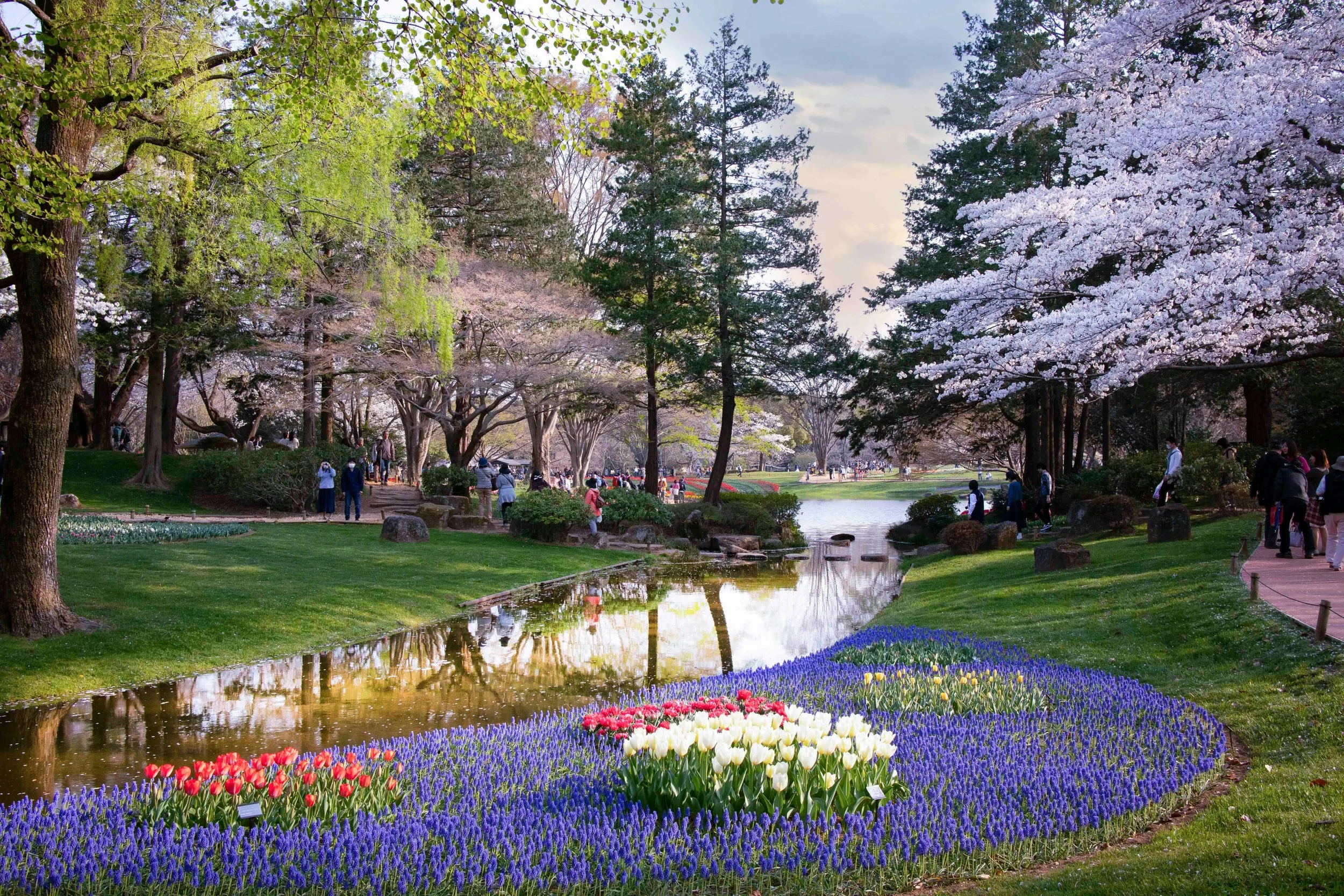
Spring also happens to be one of the most dynamic times in the natural world. Plants are sprouting, insects are emerging, birds are returning from migration, and weather patterns are shifting rapidly. All of this change creates a living laboratory right outside the door. Unlike a static textbook diagram, spring's ecosystems are actively transforming in real time, which makes observation and inquiry feel exciting and relevant.
The extended daylight that comes with daylight saving time also plays a practical role. Longer evenings mean more time for after-school exploration, family nature walks, and outdoor programming. When the sun is still up at 7 PM, it is a lot easier to squeeze in an outdoor adventure before dinner.
Beyond the logistics, spring taps into something emotional. There is a natural sense of optimism and possibility that comes with the season, and that mindset is exactly what fuels curiosity. When young people feel energized and hopeful, they are more open to asking questions, trying new things, and pushing past their comfort zones.
Spring Science Activities That Spark Wonder
Spring is bursting with opportunities for hands-on science exploration. The natural changes happening all around make it easy to design activities that feel less like "lessons" and more like adventures.
Here are five spring science activities that get young learners excited about the world:
1. Pollinator Watch and Insect Surveys
As flowers bloom, pollinators like bees, butterflies, and beetles come out in full force. Kids can set up observation stations near flowering plants and record which insects they spot, how often they visit, and what behaviors they notice. This is a great introduction to ecology, data collection, and the critical role pollinators play in food systems. Exploring micro ecosystems at this scale helps young learners see that big ecological stories are playing out in even the smallest patches of ground.
2. Seed Germination Experiments
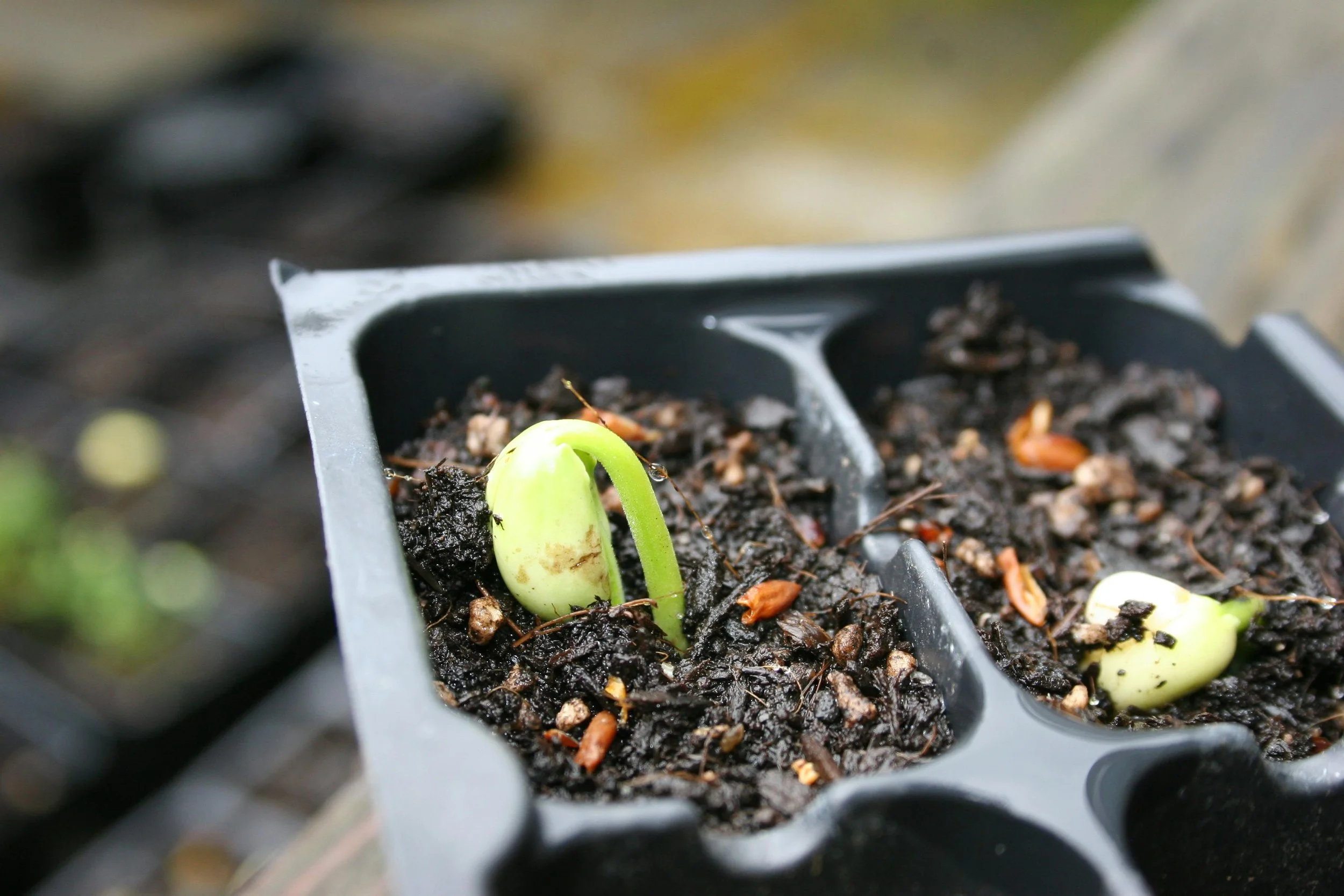
Spring is the perfect time to plant seeds and watch them grow, but you can take it a step further by turning it into a controlled experiment. Have kids plant the same type of seed in different conditions (varying amounts of sunlight, water, or soil type) and track what happens over several weeks. Gardening activities like these teach the scientific method in a hands-on way while building patience and responsibility.
3. Weather Journaling
Spring weather is famously unpredictable, which makes it an ideal subject for observation and data tracking. Kids can build simple rain gauges, record daily temperatures, and note wind direction and cloud types. Over time, they start recognizing patterns and making predictions, skills that connect directly to meteorology and climate science.
4. Stream and Water Table Observations
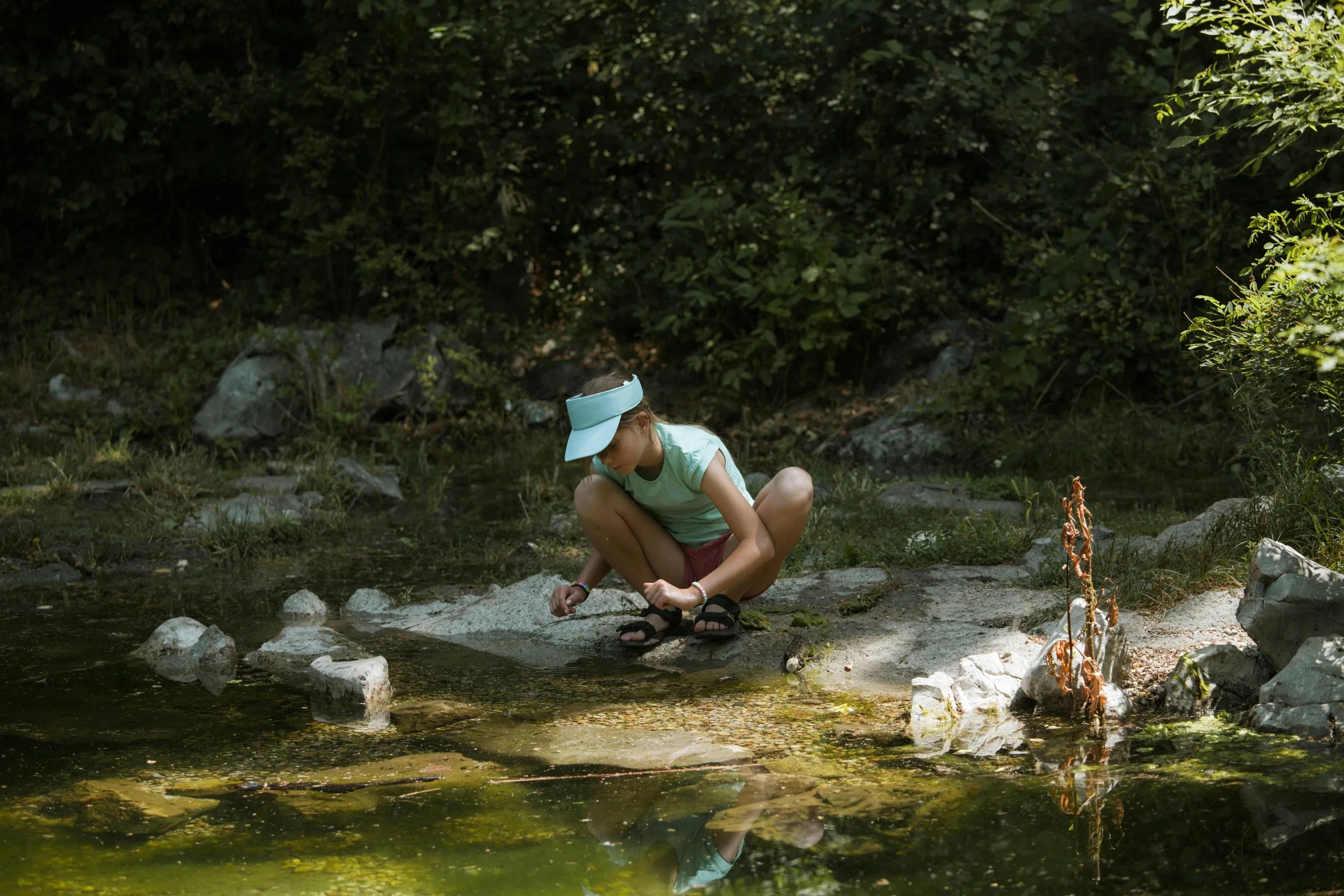
Spring rain and snowmelt create visible changes in local waterways. Taking students to a nearby creek or even observing how water flows through a schoolyard after a rainstorm can lead to rich discussions about the water cycle, erosion, and watershed health. Hands-on science experiments in nature like these make abstract concepts feel immediate and real.
5. Bird Identification and Migration Tracking
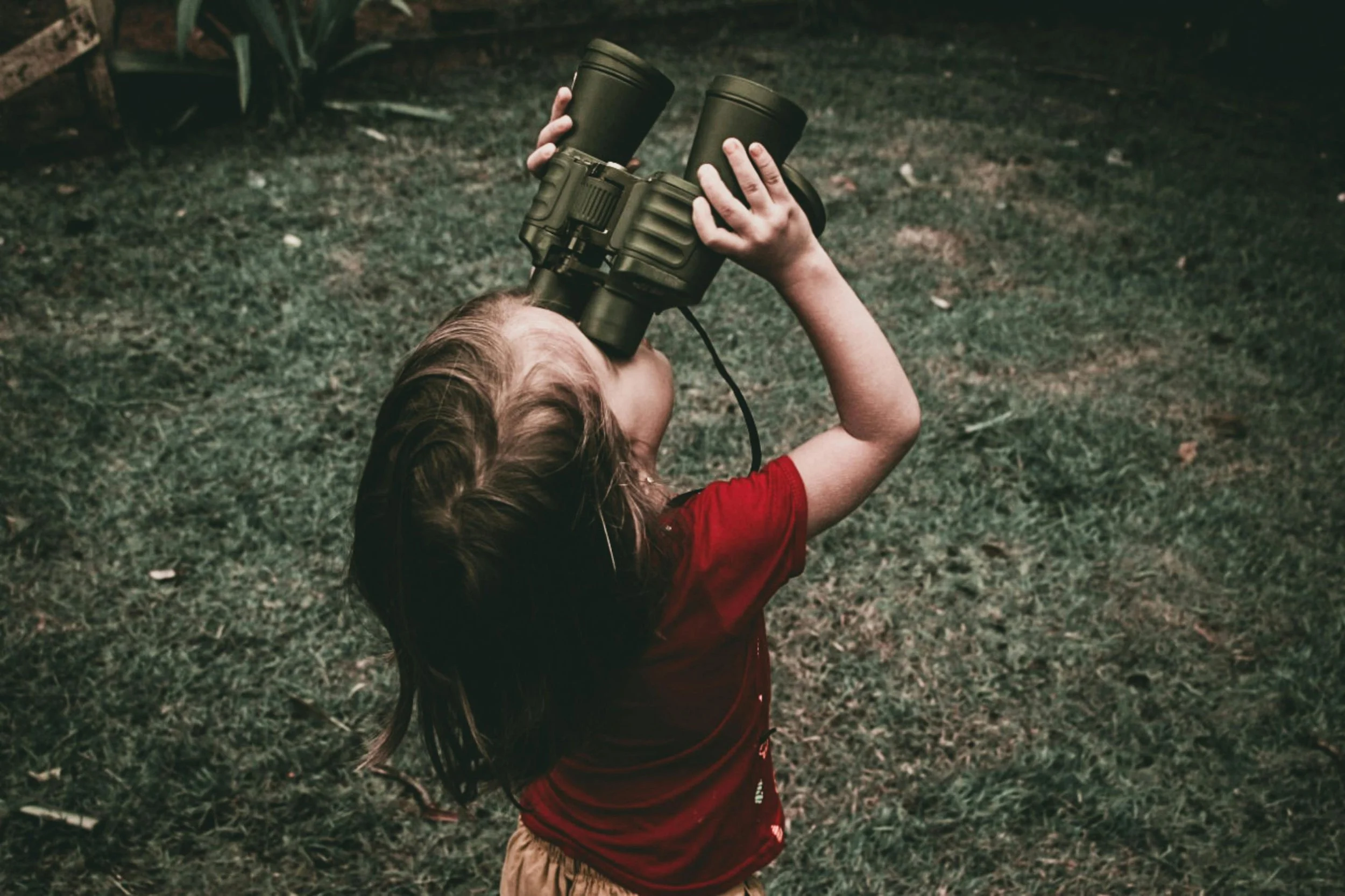
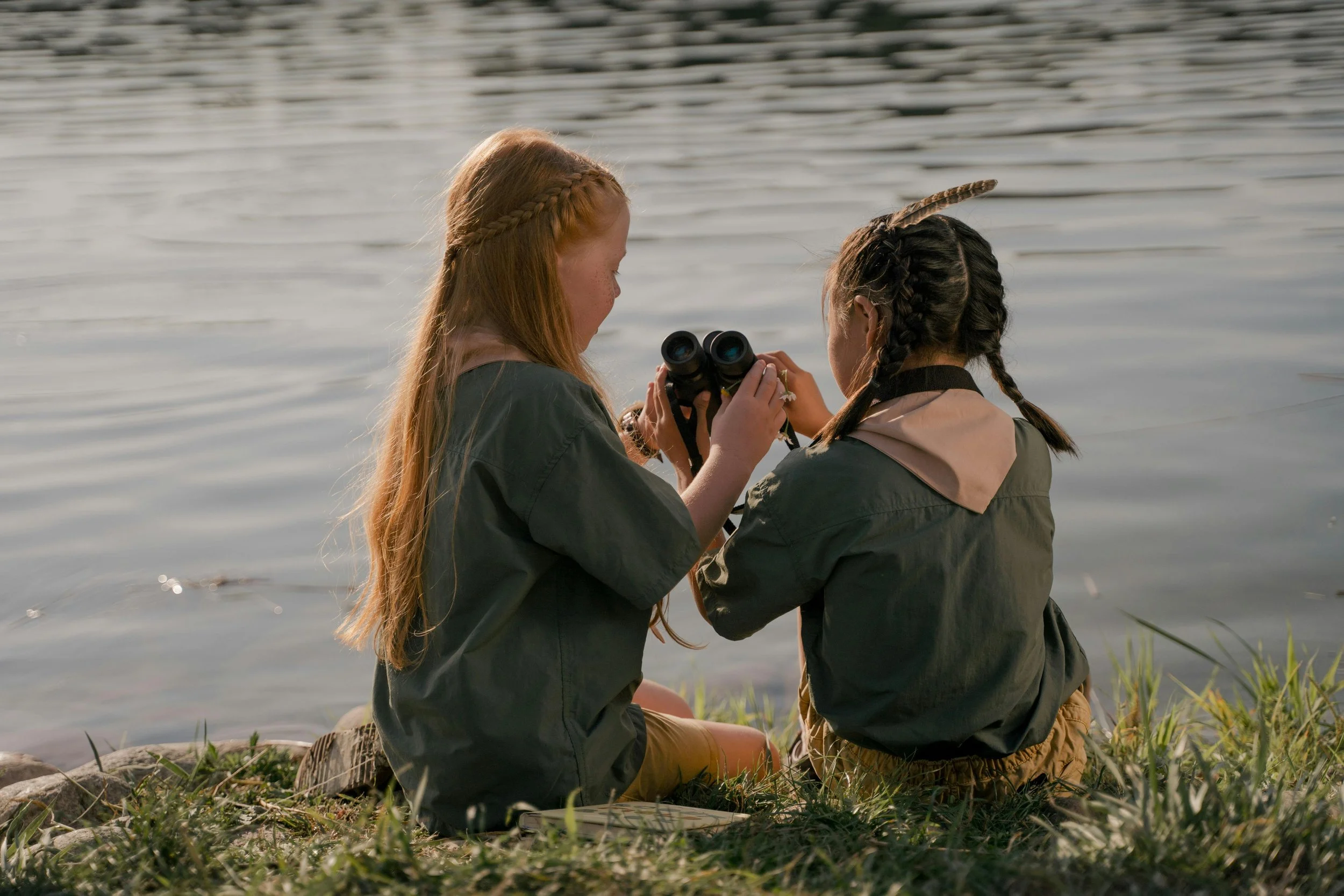
Spring migration brings a wave of new bird species into local habitats. Armed with a simple field guide or a free birding app, kids can learn to identify species by sight and sound. Tracking which birds arrive and when connects to bigger conversations about local wildlife, seasonal rhythms, and how ecosystems respond to changing temperatures.
These activities work because they meet kids where their curiosity naturally lives. Spring makes the learning feel alive.
Getting Creative With Spring's Natural Canvas
Science is not the only subject that comes alive in spring. The season's colors, textures, sounds, and scents make it a rich source of creative inspiration as well. When young people are encouraged to respond to nature through art, writing, and imaginative play, they develop observation skills, emotional expression, and a personal relationship with the outdoors that goes beyond facts and data.
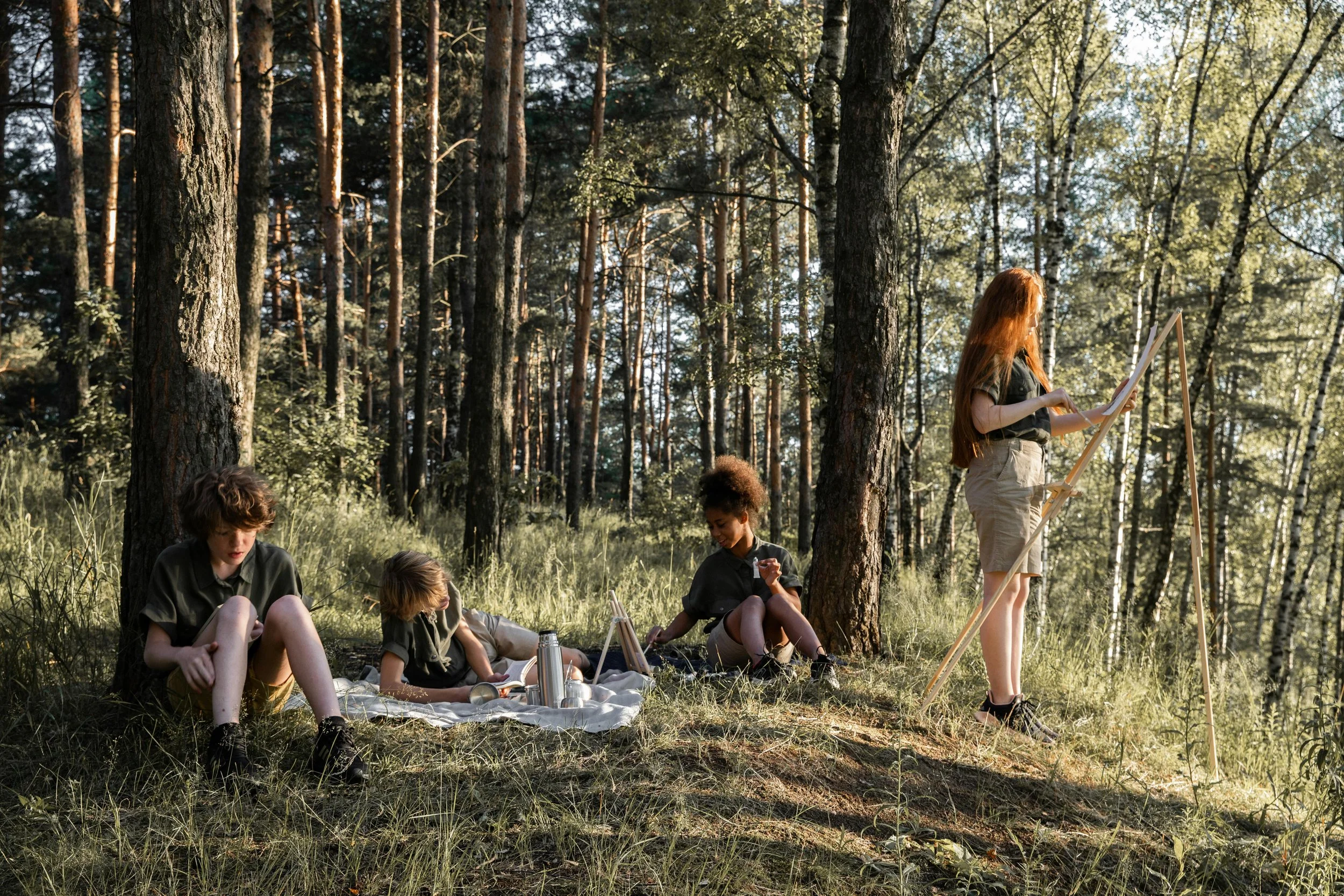
One of the simplest and most rewarding creative activities is nature-based art. Spring offers an incredible palette of materials: flower petals, fresh leaves, interesting stones, bark, feathers, and seed pods. Kids can create collages, mandalas, or temporary outdoor installations using found materials. This kind of art and creativity in outdoor education encourages learners to slow down, look closely, and find beauty in details they might otherwise walk past.
Writing is another powerful way to connect with spring. Sitting outside and describing what you see, smell, and hear builds both literacy skills and mindfulness. Younger children might dictate their observations to an adult or draw pictures with captions, while older students can try their hand at descriptive essays, poetry, or even short stories inspired by a particular outdoor setting. The key is making the writing feel personal and exploratory rather than like an assignment.
Imaginative play thrives in spring too. A fallen log becomes a pirate ship. A cluster of wildflowers becomes a fairy village. A muddy puddle becomes a scientific discovery zone. When children are given the freedom to play creatively outdoors, they build storytelling skills, social cooperation, and the kind of flexible thinking that serves them well in every area of life.
Spring Adventures for Every Age Group
One of the best things about spring outdoor activities is that they can be adapted for just about any age. The trick is matching the level of challenge and complexity to what will genuinely engage the learner.
Here is how spring adventures can look across different age groups:
Early Childhood (Ages 3 to 6)
At this age, sensory exploration is everything. Let little ones dig in the dirt, splash in puddles, pick dandelions, and chase butterflies. Simple scavenger hunts with pictures instead of words keep things fun and accessible. The goal is to build comfort and joy in the outdoors.
Elementary Age (Ages 7 to 11)
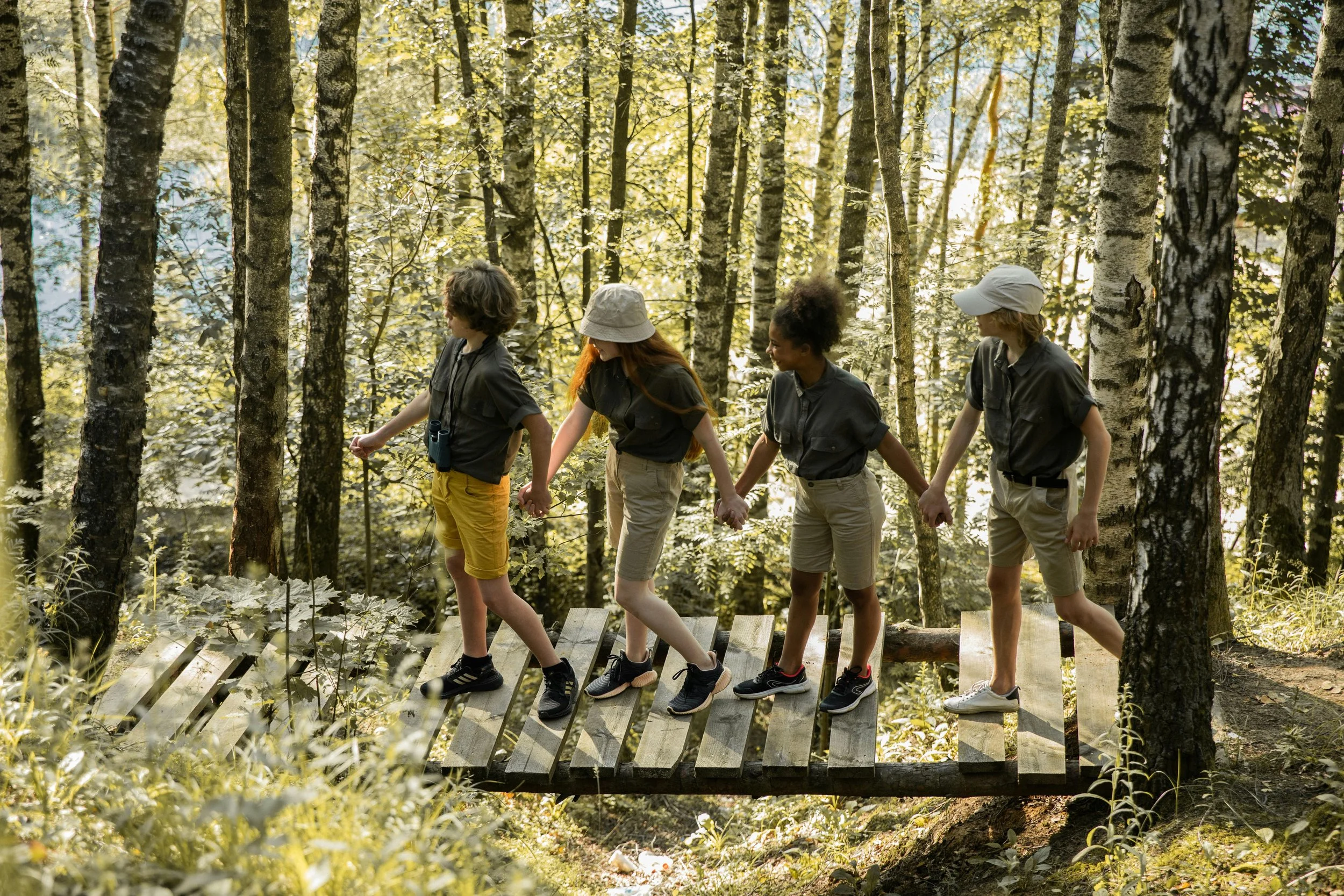
This is a great age for structured exploration. Kids can keep nature journals, participate in citizen science projects, conduct simple experiments, and take on group challenges. Visiting local parks for educational field trips is a fantastic way to combine adventure with learning at this stage.
Tweens and Teens (Ages 12 to 18)
Older students thrive when they have ownership over their learning. Give them real research questions to investigate, let them lead group expeditions, or challenge them to design their own outdoor experiments. Spring is also a great time for teens to get involved in community service projects like trail cleanups or habitat restoration.
The common thread across all ages is curiosity. Spring naturally activates it, and the right activities give it somewhere meaningful to go. Programs like after-school outdoor education offer structured opportunities that meet young people at their developmental level while keeping things fun and engaging.
Making Spring Learning Last Beyond the Season
It is one thing to have a great outdoor experience in spring. It is another to carry that curiosity and connection forward into the rest of the year. The most impactful spring activities are the ones that plant seeds (sometimes literally) for ongoing engagement with the natural world.
One effective approach is to start long-term observation projects in spring that continue through summer and fall. Tracking a garden's growth, monitoring a bird nest, or recording seasonal changes at a favorite outdoor spot teaches kids that science is not a one-time event. It is an ongoing process of watching, wondering, and learning.
Another way to sustain momentum is to connect spring experiences to bigger themes. A child who gets excited about pollinators in April might be ready to explore why leaves change color by October. A teen who leads a spring trail cleanup could become interested in broader environmental advocacy. When we help young people see the thread that connects their seasonal experiences, we nurture a relationship with nature that grows year-round.
Finally, celebrating what kids discover and create during spring goes a long way. Displaying nature art, sharing journal entries, or presenting experiment results to family and friends reinforces the idea that their observations and ideas matter. That sense of being taken seriously as a thinker and explorer is one of the most powerful motivators there is.
Conclusion
Spring is more than just a pleasant time to be outside. It is a season packed with energy, change, and possibility, all of which make it one of the best times of year to spark curiosity and deepen connections with the natural world. Whether kids are tracking pollinators, planting seeds, creating nature art, or simply splashing through puddles, every outdoor moment in spring is a chance to learn something new. The key is to follow the curiosity, keep things hands-on, and let the season do what it does best: wake everything up, including the explorer in every young learner.
At Adventure Education Solutions, we introduce students to outdoor environments and present them with experiences that challenge them physically, socially, and mentally. Contact us to learn more about our after school programs, camps, and study abroad programs.
