
Reflective Practices in Outdoor Learning
There's a difference between having an experience and truly learning from it. You can climb a mountain, navigate a forest trail, or spend a day exploring tide pools, and those moments can be exciting or challenging or beautiful. But without reflection, those experiences often remain just that: moments that fade into memory without leaving a lasting impact. Reflective practices transform outdoor learning from a series of activities into a journey of personal growth and deeper understanding.
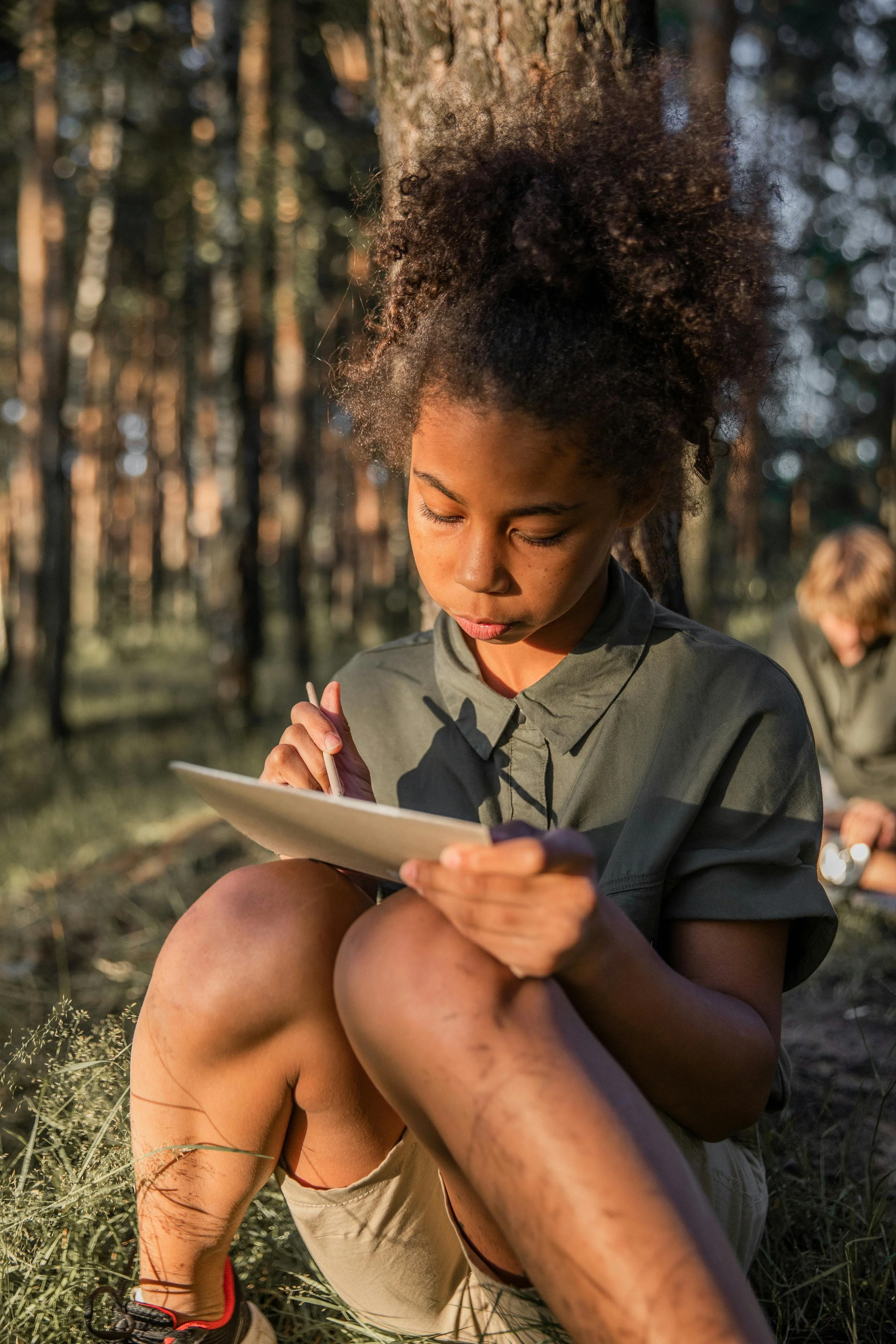
Understanding Reflective Practice in Outdoor Settings
Reflective practice is the intentional process of thinking deeply about an experience to extract meaning, insights, and lessons from it. In outdoor learning, this means pausing to consider not just what happened during an adventure, but why it mattered, how it made you feel, and what you discovered about yourself and the world around you.
Think of it this way: doing an activity is like gathering raw materials, while reflection is the process of crafting something meaningful from those materials. You might complete a challenging hike, but reflection is what helps you understand why that particular summit felt significant, what internal strengths you drew upon, or how the experience changed your perspective on perseverance.
Outdoor education naturally creates powerful learning moments because it takes people out of their usual routines and comfort zones. The physical challenges, the beauty of natural settings, and the unpredictability of wilderness experiences all contribute to memorable moments. But these moments become transformative when we take time to process them thoughtfully. Reflection turns adventure into understanding and experience into wisdom.
The Science Behind Reflection and Learning
When we reflect on experiences, something important happens in our brains. Reflection strengthens neural pathways associated with memories, making learning more durable and accessible. Simply having an experience creates one level of memory, but actively thinking about that experience, analyzing it, and connecting it to other knowledge creates much deeper, more lasting learning.
Reflection also helps us connect new experiences to what we already know. When you pause after a wilderness navigation challenge to think about how you solved problems, you're not just remembering the activity. You're integrating that experience with your existing understanding of problem-solving, teamwork, or persistence. These connections help you recognize patterns and transfer skills from outdoor settings to other areas of life.
Metacognition, or thinking about your own thinking, is another crucial benefit of reflective practice. When you consider why you reacted a certain way during a challenging moment or notice what strategies helped you succeed, you're developing self-awareness that extends far beyond the immediate experience. This kind of understanding helps you become a more intentional learner and decision-maker.
Types of Reflective Practices for Outdoor Learning
Reflective practices can take many forms, each offering different pathways to understanding and growth. Journaling and nature writing provide a structured way to capture thoughts, observations, and emotions. Writing slows down our thinking and forces us to articulate ideas clearly, often revealing insights that weren't obvious in the moment.
Group discussions and sharing circles create opportunities for collective reflection. When participants share their experiences and perspectives, everyone benefits from hearing how others processed the same events differently. These conversations often spark new insights and help people recognize aspects of their experience they might have overlooked.
Solo reflection time offers a different kind of depth. Sitting quietly in nature without the need to articulate thoughts for others allows for more personal, introspective processing. This unstructured reflection time can lead to unexpected realizations and a deeper sense of connection with the environment.
Artistic expression through sketching, photography, or other creative mediums provides non-verbal pathways for reflection. Sometimes the most meaningful insights resist being captured in words, and creative practices offer alternative ways to process and express understanding.
Photo documentation combined with storytelling helps participants revisit experiences and notice details they might have missed in the moment. Looking at images later and crafting narratives around them deepens engagement with memories and creates additional opportunities for meaning-making.
Key Elements of Effective Reflection
The most impactful reflection practices share certain characteristics that maximize learning and growth. Understanding these core elements helps create reflection experiences that genuinely deepen outdoor learning.
1. Appropriate Timing
Consider when reflection happens, as different moments offer different insights: immediate reflections capture raw emotions while later reflections provide perspective and pattern recognition.
2. Thoughtful Prompts
Use guiding questions that encourage deeper thinking beyond simple description, helping participants move from "what happened" to "what it means."
3. Safe Spaces
Create environments where people feel comfortable sharing authentic thoughts without fear of judgment, whether through private journaling or supportive group discussions.
4. Flexible Structure
Balance providing enough guidance to prevent blank-page paralysis while allowing freedom for personal expression and unexpected insights to emerge.
5. Individual and Group Options
Offer both solo reflection time for deep personal processing and collaborative discussions where shared perspectives enrich everyone's understanding.
These elements work together to make reflection feel meaningful rather than forced, creating genuine opportunities for growth and self-discovery.
How to Implement Reflective Practices
Effective reflection in outdoor learning happens throughout the entire experience, with each phase offering unique opportunities for insight and growth.
Set Intentions Before Starting
Encourage participants to consider what they hope to learn or experience, creating mindful awareness before the adventure even begins.
Practice Mindful Awareness During Activities
Guide attention to present-moment experiences through occasional prompts that help people notice details they might otherwise miss while caught up in action.
Capture Initial Impressions Immediately After
Create space for quick reflections right after activities when emotions are fresh and memories are vivid, even if it's just jotting brief notes.
Process More Deeply Later
Return to experiences after some time has passed for more thorough reflection that connects to broader themes, personal values, or ongoing growth.
Revisit Reflections Over Time
Encourage looking back at earlier journal entries or reflections to recognize patterns, celebrate growth, and gain perspective on how experiences continue to shape understanding.
This layered approach to reflection ensures that outdoor learning becomes truly transformative rather than superficial.
Benefits of Reflective Practice
The rewards of regular reflection extend far beyond simply remembering outdoor adventures more clearly. Enhanced self-awareness emerges as participants notice their own patterns, reactions, strengths, and areas for growth. This understanding becomes a powerful tool for personal development that applies across all aspects of life.
Deeper environmental connections develop when reflection transforms casual observations into meaningful relationships with nature. Noticing how a landscape changes through seasons, understanding the interconnections within ecosystems, or simply appreciating the restorative power of natural spaces creates lasting bonds with the environment.
Problem-solving skills improve through reflecting on challenges faced during outdoor activities. When you analyze what strategies worked, what didn't, and why, you build a mental toolkit that serves you in future challenges, whether in wilderness settings or daily life.
Emotional intelligence grows as reflection creates space to process feelings, understand emotional responses, and develop empathy for others' experiences. The challenges and triumphs of outdoor learning often evoke strong emotions, and reflection helps make sense of these feelings in constructive ways.
Perhaps most importantly, reflection fosters meaning-making. It transforms random experiences into coherent narratives about personal growth, values, and purpose. This sense of meaning contributes to overall well-being and helps people understand their place in the larger world.
Reflection Activities for Different Ages
Reflective practices need to match developmental stages and abilities to be effective. Young children benefit from simple, concrete prompts like "Draw your favorite part of today" or "What color was your adventure?" These basic reflections build the foundation for more complex thinking while honoring children's natural ways of processing experience.
Elementary students can handle more structured reflection with guided questions that encourage deeper thinking. Prompts like "What surprised you today?" or "What was challenging and how did you handle it?" help them begin connecting experiences to emotions and learning.
Teenagers are ready for a deeper inquiry that explores identity, values, and personal growth. Questions like "How did this experience challenge your assumptions?" or "What did you discover about your own capabilities?" invite more sophisticated reflection that connects to their developmental stage of figuring out who they are.
Adults can engage with complex analysis that examines multiple perspectives, connects experiences to broader life themes, and explores subtle insights. Adult reflection might involve examining how outdoor experiences relate to professional challenges, personal relationships, or long-term goals.
Conclusion
Reflective practices transform outdoor learning from memorable experiences into profound opportunities for growth and self-discovery. Through journaling, discussion, artistic expression, and mindful awareness, participants move beyond simply doing activities to truly learning from them. The insights gained through reflection ripple outward, enhancing self-awareness, deepening connections with nature, and building skills that serve people throughout their lives. Whether you're an educator, parent, or adventurer, incorporating reflective practices into outdoor experiences unlocks their full transformative potential.
At Adventure Education Solutions, we introduce students to outdoor environments and present them with experiences that challenge them physically, socially, and mentally. Contact us to learn more about our after school programs, camps, and study abroad programs.
