
Inspiring Young Problem Solvers Through Eco-Innovation Challenges
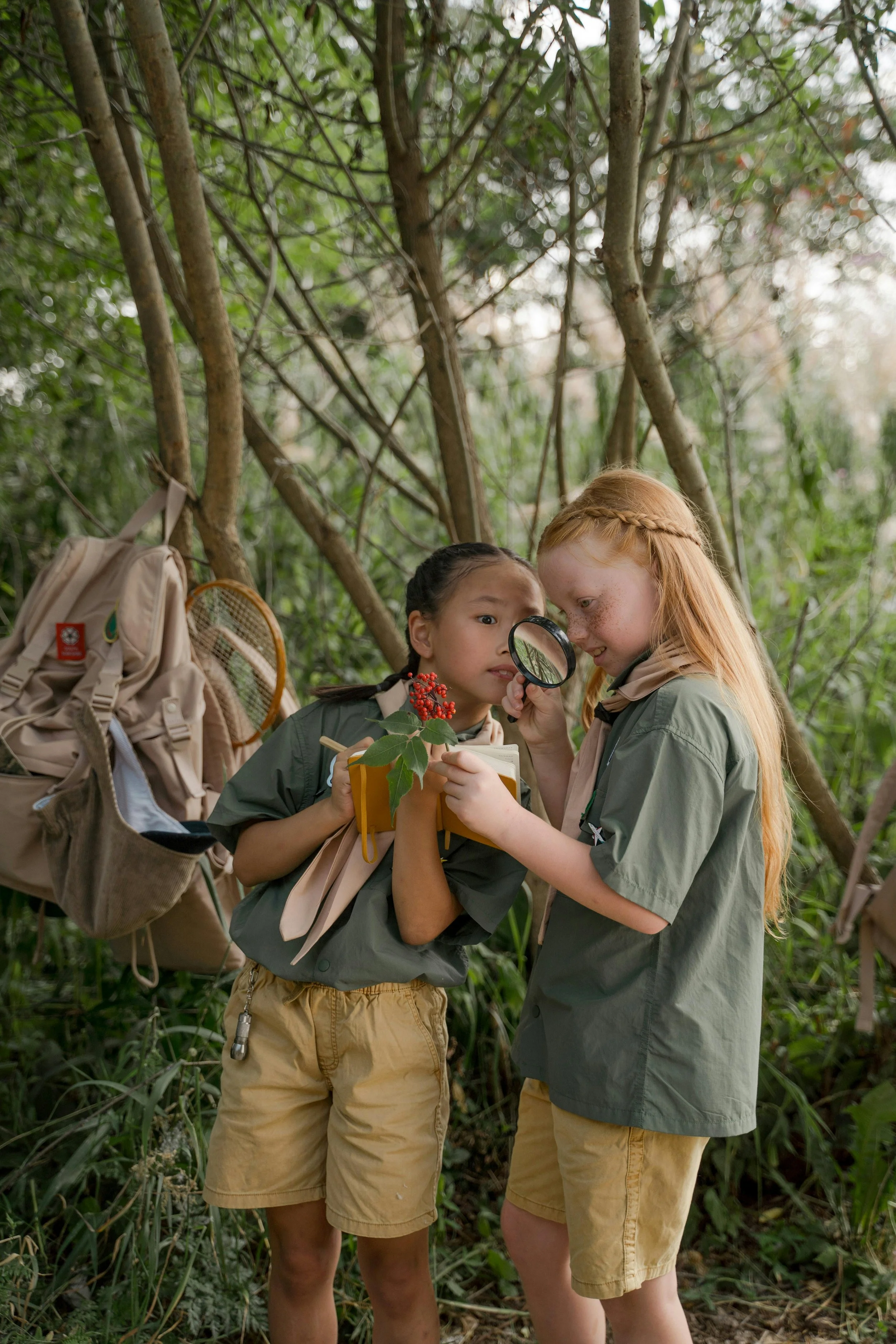
The world faces environmental challenges that require creative, innovative thinking. From climate change to plastic pollution, the problems are complex, and the solutions aren't always obvious. That's exactly why introducing young people to eco-innovation challenges is so powerful. These hands-on projects don't just teach kids about environmental issues. They invite them to become part of the solution, developing critical thinking skills and confidence along the way.
What Are Eco-Innovation Challenges?
Eco-innovation challenges are problem-solving activities that ask young learners to tackle real environmental issues through creative thinking and practical solutions. Unlike traditional lessons where students learn about a problem and move on, these challenges put kids in the driver's seat. They observe, research, brainstorm, design, and test their own ideas for making a positive environmental impact.
Think of it as a bridge between environmental education and real-world action. Rather than simply learning that plastic waste is harmful, students might design a prototype for a reusable container system for their school cafeteria. Instead of reading about energy consumption, they could engineer a solar-powered charging station for the playground. The problems are authentic, and the solutions require genuine innovation.
What makes these challenges particularly valuable is their open-ended nature. There's rarely one "correct" answer. Students explore multiple possibilities, experiment with different approaches, and learn that failure isn't a dead end but rather a stepping stone toward better solutions. This mindset shift alone is incredibly valuable for developing resilient, creative thinkers.
Why Problem-Solving Skills Matter More Than Ever
We're preparing young people for a future we can't fully predict. The jobs they'll hold and the challenges they'll face may not even exist yet. That's why developing strong problem-solving abilities is so essential. Eco-innovation challenges build exactly these kinds of skills because they mirror how real-world problem-solving works.
When students tackle an environmental challenge, they learn to break down big, overwhelming problems into manageable pieces. They practice asking good questions, researching information from multiple sources, and thinking critically about what they discover. They collaborate with peers who have different strengths and perspectives, learning to communicate ideas clearly and build on each other's thinking.
These aren't abstract skills practiced in isolation. They're applied in context, with tangible outcomes that students can see and touch. When a prototype works, there's a genuine sense of accomplishment. When it doesn't, there's an authentic opportunity to analyze what went wrong and try again. This cycle of designing, testing, and refining mirrors the innovation process used by engineers, scientists, and entrepreneurs.
Key Elements of Effective Eco-Innovation Challenges
The most impactful eco-innovation challenges share several important characteristics that set them up for success. Understanding these core elements helps educators and families design experiences that genuinely inspire creative problem-solving while building meaningful skills.
1. Real Environmental Problems
Focus on issues that students can observe in their own communities, making the challenge feel relevant and urgent rather than abstract or distant.
2. Multiple Solution Pathways
Allow for diverse approaches so students feel freedom to experiment and take creative risks, knowing there isn't just one "right" answer.
3. Collaborative Teamwork
Build in opportunities for working together so students learn to share ideas, delegate responsibilities, and support one another through setbacks.
4. Prototyping and Testing
Include hands-on experimentation where students build something, try it out, and see what happens rather than stopping at theoretical solutions.
5. Iteration and Improvement
Create space for refinement based on testing results, reinforcing that first attempts rarely work perfectly, and that's completely normal.
These elements work together to create challenges that feel meaningful and achievable while developing critical thinking and innovation skills.
Types of Eco-Innovation Challenges for Young Learners
Eco-innovation challenges can take many forms, depending on students' ages, interests, and local environmental concerns. Waste reduction projects are popular because every school and community generates trash. Students might design creative reuse systems for materials typically thrown away, develop composting programs, or invent tools that help people reduce single-use items.
Energy efficiency challenges tap into students' natural curiosity about how things work. They might conduct energy audits of their school building, design passive heating or cooling solutions, or create systems that remind people to turn off lights and electronics. Renewable energy projects offer opportunities to experiment with solar panels, wind turbines, or other sustainable power sources.
Water conservation innovations address another critical environmental issue. Students could design rain-catching systems, develop efficient irrigation methods for school gardens, or create awareness campaigns that change water-use behaviors. These projects often combine engineering thinking with behavioral science.
Wildlife habitat restoration challenges connect environmental problem-solving with local ecosystem health. Students might design and build native plant gardens that support pollinators, create wildlife corridors, or develop solutions to human-wildlife conflicts in their area.
Sustainable design challenges encourage students to rethink everyday objects and systems. This could involve redesigning school supplies for minimal environmental impact, creating closed-loop systems where waste from one process becomes input for another, or developing packaging alternatives that eliminate plastic.
How to Implement Eco-Innovation Challenges
Starting an eco-innovation challenge involves a clear progression from observation to action, with each phase building on the previous one to create a comprehensive learning experience.
Start with Observation
Take students outside to explore their local environment and notice what problems they observe, encouraging them to ask questions about what they see and wonder about.
Conduct Research
Guide students to gather information from multiple sources, interviewing experts, and examining how others have approached similar challenges to ground their thinking in existing knowledge.
Generate Ideas
Use brainstorming techniques to help students create as many potential solutions as possible without judgment, encouraging wild ideas alongside practical ones.
Build Prototypes
Support students as they transform ideas into tangible designs through physical models, detailed plans, or digital simulations that they can actually test.
Test and Gather Feedback
Create opportunities for students to try out their prototypes and identify what works and what doesn't through real-world testing.
Refine Solutions
Help students improve their designs based on testing results, building new prototypes or making adjustments before presenting their final solutions to authentic audiences.
This structured process guides students through the complete innovation cycle while maintaining flexibility for exploration and creativity.
The Learning Benefits That Extend Beyond Science
While eco-innovation challenges naturally incorporate STEM concepts, the benefits reach much further. Students develop environmental awareness that comes from direct engagement rather than passive learning. When they work to solve a real problem, they gain a deeper understanding of why that problem matters and how interconnected environmental issues are.
These challenges build confidence in remarkable ways. Students discover they can tackle complex problems that adults haven't solved. They realize their ideas have value and their actions can create change. This sense of agency, the belief that they can make a meaningful difference, is incredibly empowering for young people.
Teamwork skills develop naturally as students navigate group dynamics, negotiate different opinions, and learn to leverage each other's strengths. They practice giving and receiving constructive feedback, a crucial life skill that extends far beyond environmental projects.
Perhaps most importantly, eco-innovation challenges cultivate a problem-solving mindset. Students learn that challenges are opportunities, that setbacks are temporary, and that persistence pays off. They develop the habit of asking "what if?" and "how might we?" rather than accepting problems as unchangeable facts of life.
Overcoming Common Obstacles
Implementing eco-innovation challenges isn't always smooth sailing, and that's okay. Limited resources can feel like a significant barrier, but some of the best solutions emerge from creative constraint. Students can work with recycled materials, partner with local businesses for donations, or focus on low-cost solutions that maximize impact.
Time constraints are real, especially in traditional school settings with packed curricula. The key is starting small. Even a single afternoon challenge can plant seeds of innovative thinking. As students and educators become more comfortable with the process, challenges can expand in scope and duration.
Varying skill levels within a group can actually be an asset rather than a problem. When students bring different strengths to the table, they learn to value diverse contributions and find roles that play to their abilities. Some might excel at research, others at building, and still others at presenting ideas.
Maintaining engagement throughout a longer challenge requires thoughtful planning. Breaking projects into clear phases with intermediate milestones helps sustain momentum. Celebrating small wins along the way reminds students that progress happens incrementally.
Measuring success in eco-innovation challenges looks different from traditional assessments. While some outcomes are concrete, like pounds of waste diverted or energy saved, others are harder to quantify but equally valuable. Growth in confidence, improved collaboration, and deepened environmental understanding all represent important successes worth recognizing and celebrating.
Conclusion
Eco-innovation challenges transform how young people think about environmental problems and their role in addressing them. By engaging with real issues and developing creative solutions, students build problem-solving skills that will serve them throughout their lives. They become confident environmental stewards who believe they can make a difference. Whether in classrooms, after-school programs, or outdoor education settings, these challenges plant seeds that grow into lifelong habits of creative thinking and environmental responsibility.
At Adventure Education Solutions, we introduce students to outdoor environments and present them with experiences that challenge them physically, socially, and mentally. Contact us to learn more about our after school programs, camps, and study abroad programs.
