
Creative Outdoor Activities by Lakes and Rivers
Water has a way of drawing people in. Whether it is the sound of a river tumbling over rocks, the stillness of a mountain lake at sunrise, or the way sunlight dances across the surface of a pond, there is something about water that captures attention and sparks wonder. For young learners, that natural fascination is a gift, because water also happens to be one of the most incredible science subjects on the planet.
Lakes and rivers are not just beautiful places to spend a summer afternoon. They are living classrooms filled with lessons about ecology, chemistry, physics, and the interconnected systems that keep our planet healthy. With a little creativity and a sense of adventure, a trip to the water's edge can become a day packed with discovery, hands-on experiments, and the kind of learning that sticks with kids long after they dry off.
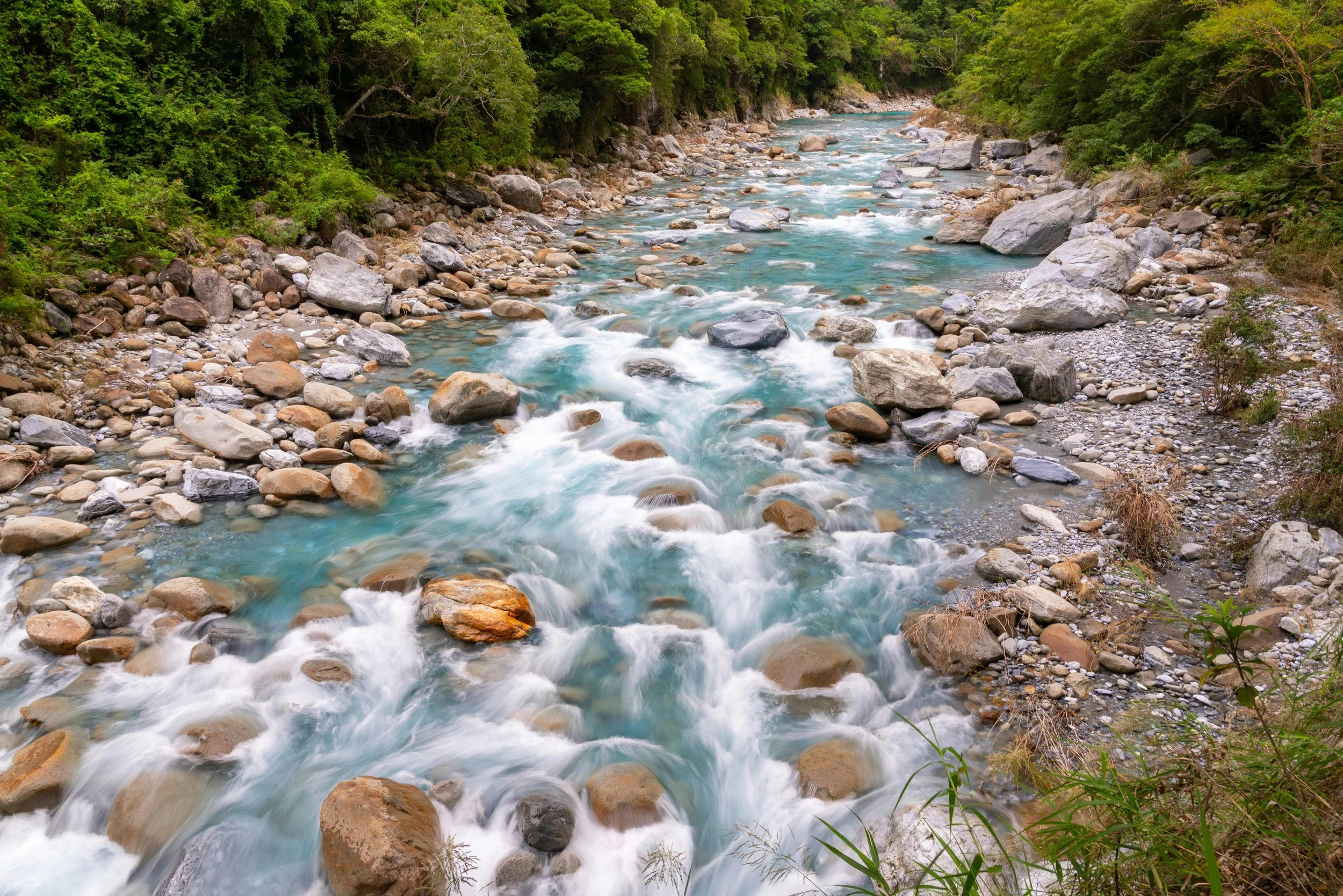
Why Water Makes Such a Powerful Teaching Tool
Water is everywhere, and it touches nearly every branch of science. It is essential for all life on Earth, it shapes landscapes over time, it drives weather systems, and it supports some of the most diverse ecosystems on the planet. That makes it an incredibly versatile subject for outdoor learning, one that naturally connects to biology, chemistry, geology, and environmental science all at once.
What makes water especially compelling as a teaching tool is that it is both familiar and mysterious. Every kid has splashed in a puddle or watched rain run down a window, so there is already a built-in sense of connection. But beneath that familiarity are layers of complexity that can surprise and challenge even the most curious minds. Why does water flow downhill? What lives beneath the surface of a lake? How does a river carve a canyon over thousands of years? These questions open doors to rich, meaningful exploration.
There is also something about being near water that changes the learning experience itself. The sound of flowing water is naturally calming, which helps young people focus and engage more deeply. The sensory richness of a lakeside or riverside setting, the feel of wet sand, the smell of damp earth, and the sight of aquatic insects skimming the surface keeps learners present and attentive in a way that a classroom worksheet simply cannot match. When you combine that natural engagement with hands-on science experiments in nature, you get learning experiences that feel less like school and more like adventure.
Hands-On Water Science Experiments by the Shore
One of the best things about learning near water is that the experiments practically design themselves. Lakes and rivers provide endless natural materials and real-world phenomena to investigate, and most activities require little more than basic supplies and a willingness to get a little wet.
Here are six water science experiments that bring learning to life at the water's edge:
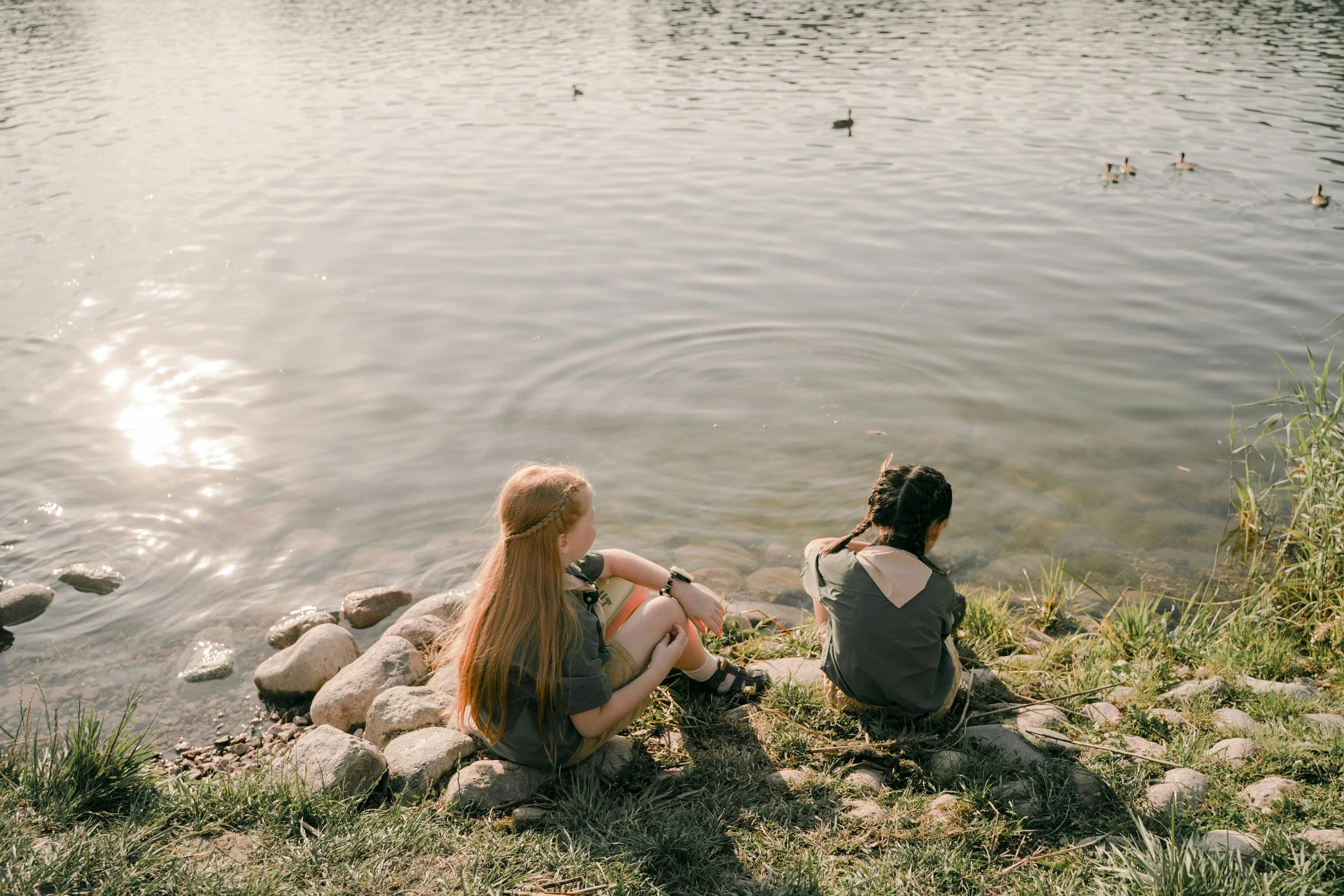
1. Water Quality Testing
Give kids simple test strips or observation-based methods to assess water clarity, temperature, and pH. Comparing results from different spots along a river or between a lake's shallow edge and deeper water introduces concepts like water chemistry, pollution, and ecosystem health. Even basic observations, like whether the water is clear or murky, can lead to meaningful conversations about what affects water quality.
2. Current and Flow Mapping
Using natural materials like sticks, leaves, or small biodegradable objects, kids can track how water moves through a stream or river. They can time how fast objects travel over a set distance, observe how the current changes near bends or obstacles, and discuss what causes variations in flow. This is a hands-on introduction to hydrology and the physics of moving water.
3. Sediment and Erosion Observations
Riverbeds and lakeshores are perfect places to study how water shapes the land. Kids can examine how sediment collects in certain areas, observe where erosion is actively occurring, and compare the size and shape of rocks at different points along a waterway. Connecting these observations to the bigger picture of how landscapes change over time ties directly into earth science concepts that feel much more real when you can see them happening.
4. Aquatic Invertebrate Surveys
Using a small net or even a clear container, kids can gently collect and observe the tiny creatures living in and around the water, things like caddisfly larvae, water beetles, snails, and dragonfly nymphs. These organisms are indicators of water health, and identifying them introduces young learners to aquatic biology and the concept of micro ecosystems. Always return creatures to the water after observing them.
5. Temperature Layering Experiments
Lakes often have distinct temperature layers, with warmer water near the surface and cooler water below. Using a thermometer on a string, kids can measure temperatures at different depths and graph the results. This introduces the concept of thermal stratification and opens discussions about how temperature affects aquatic life, dissolved oxygen levels, and seasonal lake turnover.
6. Filtration and Purification Demonstrations
Using sand, gravel, charcoal, and simple containers, kids can build miniature water filtration systems and test how effectively they clean muddy water. This activity connects to real-world water treatment, environmental engineering, and the importance of clean water access. It is a powerful way to show that science is not just about understanding the world but also about solving real problems.
These experiments turn a day by the water into a genuine scientific investigation, and the best part is that kids usually have so much fun they forget they are learning.
Creative Activities Inspired by Water
Science is not the only door that water opens. Lakes and rivers are also incredible sources of creative inspiration. The colors, sounds, textures, and moods of water environments invite artistic expression in ways that feel natural and unforced. When young people are encouraged to respond creatively to what they experience by the water, they develop observation skills, emotional awareness, and a personal connection to the natural world that goes deeper than facts alone.
Here are some creative activities that pair beautifully with a day near the water:
Nature Sketching and Watercolor Painting
The reflections, ripples, and shoreline details of a lake or river make ideal subjects for visual art. Even rough sketches help kids slow down and really notice what they are looking at. Art and creativity in outdoor education encourages learners to see familiar landscapes with fresh eyes.
Sound Mapping
Have kids sit quietly near the water and draw a map of every sound they hear: the splash of a fish, the call of a bird, the rustle of reeds, the hum of insects. This mindfulness-based activity sharpens listening skills and builds awareness of the acoustic richness of aquatic environments.
Water-inspired Creative Writing
Rivers and lakes have inspired poets and storytellers for centuries, and for good reason. The movement of water, the life it supports, and the moods it evokes provide rich material for creative writing in natural settings. Kids can write short stories, descriptive paragraphs, or even letters to the river about what they observed.
Found-object Sculpture
Using driftwood, smooth stones, shells, and other natural materials found along the shore, kids can create temporary sculptures or arrangements. This encourages spatial thinking, creativity, and an appreciation for the beauty of natural forms.
Collaborative Mural or Field Guide
After a group outing, participants can work together to create a visual field guide or mural documenting what they discovered, combining sketches, notes, and observations into a shared creative project.
These activities remind us that learning does not always have to look like a worksheet or a quiz. Sometimes the most lasting lessons come through making something beautiful.
Safety and Stewardship at Lakes and Rivers
Any time you are near water with young people, safety has to come first. That does not mean the experience has to feel restrictive or overly cautious. It just means building smart habits so that everyone can relax and enjoy the adventure with confidence.
Start with the basics: make sure all participants understand water safety rules before heading to the shore. Establish clear boundaries about how close to the water's edge kids can go, especially near moving water or steep banks. Always have adequate adult supervision, and make sure at least one person in the group is comfortable with water rescue basics. Wearing appropriate footwear, staying hydrated, and applying sun protection are all part of making a water outing safe and enjoyable during the summer months.
Beyond physical safety, a day by the water is also a perfect opportunity to talk about environmental stewardship. Lakes and rivers are sensitive ecosystems, and young people who spend time enjoying them should also understand their responsibility to protect them. Simple practices like packing out all trash, staying on established paths near fragile shorelines, and avoiding disturbing wildlife nests or habitats go a long way toward preserving these spaces.
Conversations about water pollution, runoff, and the impact of human activity on freshwater systems can feel abstract in a classroom. But standing beside a river and actually seeing litter caught in the reeds, or noticing algae blooms caused by nutrient runoff, makes those issues immediate and personal. When kids develop a genuine emotional connection to a place, they naturally want to take care of it. That is the foundation of environmental stewardship, and it is one of the most valuable things a day by the water can teach.
Encouraging young people to think about how their actions affect the waterways they love connects individual behavior to larger environmental challenges. Programs that integrate this kind of thinking into outdoor experiences help shape the next generation of environmental advocates and conservation-minded citizens.
Turning a Day by the Water Into a Learning Adventure
You do not need a science degree or a big budget to create a meaningful learning experience at a lake or river. What you need is a plan that balances structure with freedom, giving kids enough direction to stay engaged while leaving room for the kind of spontaneous discovery that makes outdoor learning so special.
Before you go, do a little homework on the location. What kind of water body is it? What wildlife might you encounter? Are there any safety considerations specific to that spot? Having a few activities planned in advance gives the day shape, but leaves space for kids to follow their own curiosity too. Some of the best learning moments happen when a child notices something unexpected and the group stops to investigate.
Bring a few simple tools to enhance the experience: magnifying glasses, thermometers, small nets, collection jars, notebooks, and pencils. These do not have to be expensive or specialized. Even a few zip-lock bags and a ruler can turn casual observation into structured inquiry. The goal is to give kids the means to look more closely and record what they find.
Consider building a routine around water-based outings so they become a regular part of learning rather than a one-time event. Visiting the same spot at different times of year, for example, teaches kids about seasonal change, water level fluctuations, and how aquatic ecosystems shift with the seasons. Outdoor education programs that build this kind of continuity help young learners develop long-term observation skills and a deeper understanding of the natural systems around them.
For families looking for ongoing structured support, after-school programs that incorporate outdoor science and nature exploration offer a great way to keep the momentum going beyond a single trip to the lake.
Conclusion
Lakes and rivers are some of the most dynamic and inspiring classrooms nature has to offer. They invite young learners to observe, experiment, create, and connect with the natural world in ways that are both joyful and deeply educational. Whether kids are testing water quality, sketching reflections on the surface, tracking the path of a floating leaf, or simply sitting quietly and listening to the sound of flowing water, every moment by the shore is a chance to learn something new. All it takes is a curious mind, a willingness to get a little muddy, and the understanding that some of the best lessons in life happen outside.
At Adventure Education Solutions, we introduce students to outdoor environments and present them with experiences that challenge them physically, socially, and mentally. Contact us to learn more about our after school programs, camps, and study abroad programs.
