
Survival Skills and Environmental Awareness for Winter Preparedness
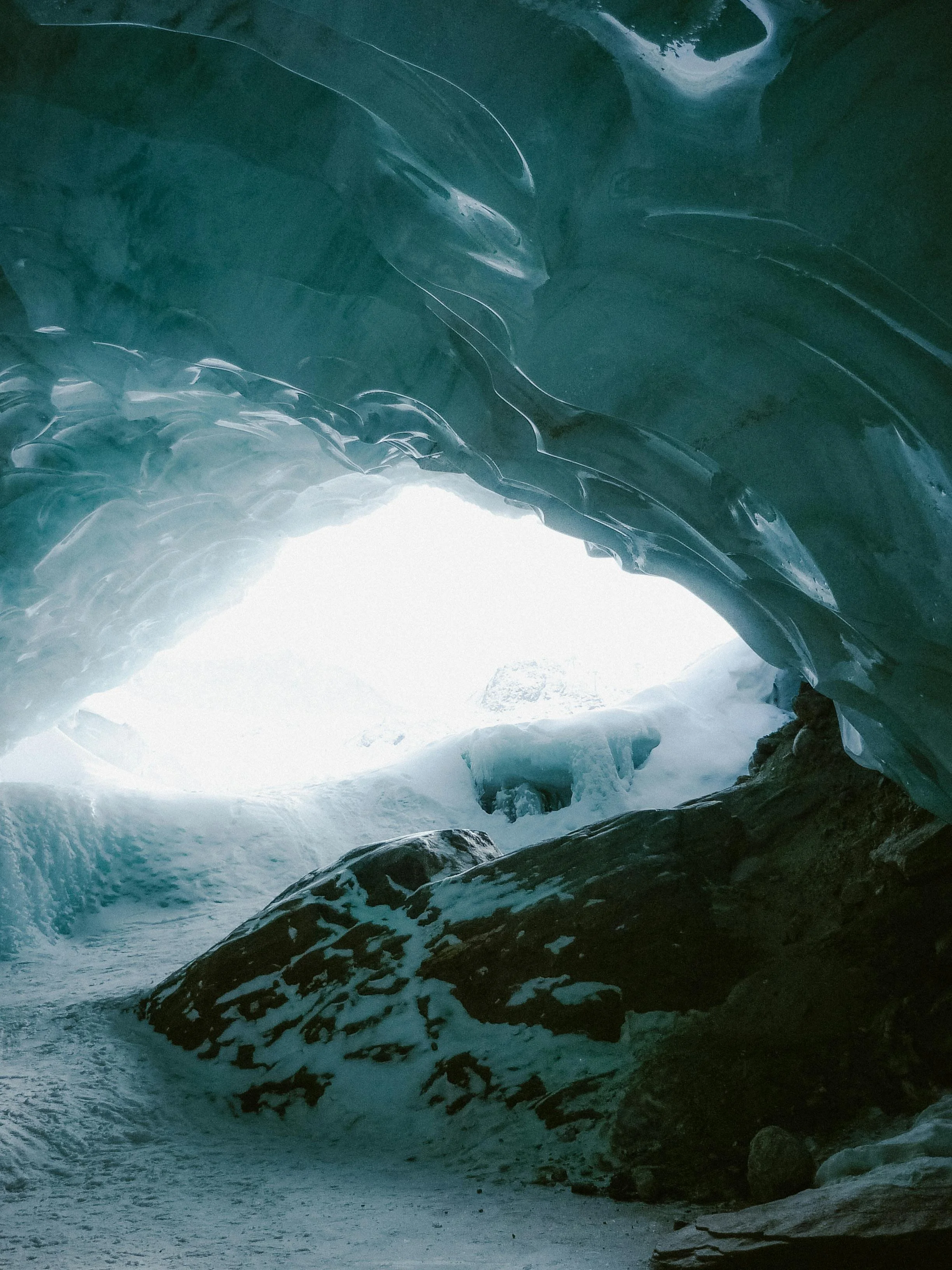
Winter transforms the landscape into something breathtaking, but it also brings challenges that demand respect and preparation. Whether you're planning a day hike through snow-covered trails or heading out for a winter adventure with friends, understanding survival skills and environmental awareness can make all the difference. This isn't about being fearful of winter; it's about building the confidence and knowledge to embrace the season safely and fully. Let's explore the essential skills and insights that will help you thrive when temperatures drop.
Understanding Winter's Environmental Impact
Before you can prepare for winter, it's helpful to understand what makes cold weather so demanding. When temperatures plummet, your body works overtime to maintain its core temperature, burning calories faster and increasing your risk of hypothermia and frostbite. Even mild conditions can become dangerous if you're wet, tired, or unprepared.
Learning to read weather patterns is one of the most valuable skills for winter preparedness. Cloud formations, wind direction, and sudden temperature changes all tell a story about what's coming. A halo around the moon might signal approaching precipitation, while rapidly dropping barometric pressure often means a storm is on its way. Paying attention to these subtle cues helps you make smarter decisions about when to venture out and when to seek shelter.
Nature itself offers clues about winter conditions. Animals change their behavior before weather shifts, birds often seek shelter before storms, and even the way snow crystals form can tell you about temperature and humidity. By developing this environmental awareness, you're not just preparing for winter; you're deepening your connection to the natural world around you.
Essential Winter Survival Skills
When you're out in winter conditions, certain skills become absolutely critical. These aren't just for extreme situations; they're practical knowledge that can help you feel more confident and capable during any winter adventure.
Building Emergency Shelters
A simple snow cave, quinzhee, or even a well-constructed debris shelter can protect you from wind and help retain body heat, and you can practice building one in your backyard before ever needing it in an emergency.
Starting Fires in Wet Conditions
Fire-starting becomes exponentially harder in winter, so learning to identify dry tinder like birch bark, pine needles under evergreen branches, and dead lower branches of standing trees can make the difference when you need warmth.
Finding and Purifying Water
Eating snow directly lowers your body temperature and can actually lead to dehydration, so learning to melt snow efficiently and knowing basic purification methods for running water keeps you safe and hydrated.
Navigation Without Technology
Snow can obscure trails, and GPS batteries drain faster in cold weather, which is why traditional skills like map reading, using a compass, and understanding how to navigate by natural features like the sun's position remain so valuable.
These skills might seem advanced, but with practice and guidance, young adventurers can master them and gain tremendous confidence in their outdoor abilities.
Clothing and Layering Strategies
The saying "there's no such thing as bad weather, only bad clothing" rings especially true in winter. Your clothing system is your first line of defense against the cold, and understanding how to layer properly can mean the difference between a comfortable adventure and a miserable (or dangerous) experience.
The three-layer system is your foundation. Start with a moisture-wicking base layer that pulls sweat away from your skin. Cotton is a terrible choice here because it retains moisture and saps your body heat. Synthetic materials or merino wool work beautifully. Your middle insulating layer traps warm air next to your body; fleece or down jackets excel at this job. Finally, your outer shell protects against wind and moisture, acting as your barrier against the elements.
But here's the thing about layering clothing that many people miss: it's dynamic. You should be constantly adjusting based on your activity level and conditions. Working hard on an uphill climb? Shed a layer before you start sweating. Taking a break? Add that layer back immediately to avoid getting chilled. This active management of your clothing system prevents the moisture buildup that leads to dangerous heat loss.
Don't forget your extremities. Your head, hands, and feet are where you'll lose heat fastest and feel discomfort first. A good hat is non-negotiable; you can lose up to 40% of your body heat through your head. Mittens are warmer than gloves because your fingers share heat. And your boots should have enough room for thick socks without being tight, as compression reduces insulation and blood flow.
Winter Emergency Preparedness
Being prepared means having the right gear and a solid plan. Your winter emergency kit should include items you might not need on a summer hike: chemical hand warmers, an emergency blanket (the reflective mylar kind), high-calorie snacks that won't freeze solid, and extra layers beyond what you're wearing.
Think about communication, too. Cell phones can die quickly in cold weather, so keep yours in an inside pocket close to your body. Let someone know your plans: where you're going, what route you're taking, and when you expect to return. This simple step has saved countless lives when things go wrong.
A good emergency kit also includes basic first aid supplies specifically chosen for winter challenges. Athletic tape for blisters, moleskin, pain relievers, and items to treat cuts or scrapes all belong in your pack. Understanding how to recognize and respond to hypothermia and frostbite symptoms is equally important. Knowledge weighs nothing and could save your life or someone else's.
Consider building your winter preparedness skills gradually. Start with short trips close to home where the consequences of mistakes are minimal. Practice your skills in controlled environments before testing them in more remote locations. This measured approach builds confidence while keeping you safe.
Reading Winter Ecosystems
One of the most fascinating aspects of winter preparedness is learning to read the natural world around you. Animals are remarkably attuned to weather changes, and their behavior can give you advance warning of incoming storms or shifting conditions. Squirrels frantically gathering food, birds feeding more intensely than usual, or deer moving to sheltered areas all signal that conditions may be about to change.
Plant life offers clues, too. Evergreen trees remain green through winter for good reasons. Their waxy needles minimize water loss, and their branches shed snow. Learning to identify these trees can help you locate dry tinder for fires or natural windbreaks for shelter. The way snow accumulates on different plants tells you about recent weather patterns and current wind directions.
Snow itself is a rich source of information once you learn to read it. Fresh powder, crusty layers, ice formations; each tells a story about temperature fluctuations, wind patterns, and how stable the snowpack might be. Animal tracks in snow reveal not just what species are around, but their health, behavior, and how recently they passed through.
Understanding these environmental indicators transforms winter from something to endure into something to engage with. You stop being a passive visitor to winter landscapes and become an active reader of the ecosystem, connected to the rhythms and patterns that govern life in cold climates.
Practical Winter Challenges for Learning
The best way to build winter preparedness skills is through hands-on practice. Here are some fun and safe challenges you can try to develop your winter survival knowledge.
1. Backyard Snow Shelter Challenge
Build a snow shelter in your backyard and spend an hour inside testing its insulation while staying close to the warmth of home if you need it.
2. Wet Wood Fire Practice
Try starting a fire with damp wood or in light snow to learn what works and what doesn't before you're ever in a situation where you really need warmth.
3. Navigation Skills Loop
Test your map and compass skills on a short, familiar trail where getting temporarily turned around won't put you in danger while you figure out how to reorient yourself.
4. Layer Management Experiment
Go on a winter hike and deliberately practice adding and removing layers at different activity levels to find your perfect system before heading out on longer adventures.
5. Emergency Kit Assembly
Put together your own winter emergency kit with friends or family, then take turns explaining why each item matters and when you'd use it.
These controlled experiments let you learn from mistakes without real consequences, which is exactly how the best outdoor educators help young people develop skills. Many outdoor education programs incorporate these kinds of winter skills training because they understand how valuable hands-on experience truly is.
Conclusion
Winter preparedness isn't about fear; it's about confidence. Every skill you learn, from reading weather patterns to building emergency shelters, helps you safely enjoy one of nature's most beautiful seasons. Whether you're developing outdoor skills on your own or with a group, each lesson makes you more capable. So as winter approaches, prepare yourself, practice your skills, and step outside with confidence. Start small, learn constantly, and discover that winter is a season for thriving, not just surviving.
At Adventure Education Solutions, we introduce students to outdoor environments and present them with experiences that challenge them physically, socially, and mentally. Contact us to learn more about our after school programs, camps, and study abroad programs.
